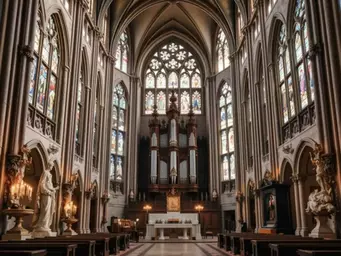
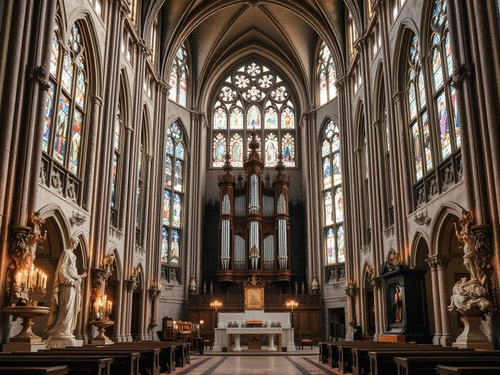
As we explore the intersections of faith and creativity, consider how centuries of artistic expression have been shaped by the Catholic Church. Can the beauty of cathedrals and the depth of sacred music truly influence our spiritual journeys? Let's uncover the profound lessons embedded in this rich cultural tapestry.
What You Will Learn
- The Catholic Church's historical role as a patron of the arts, influencing architecture, painting, and music.
- Key milestones in Church history that shaped its cultural expressions, from early Christian communities to the Renaissance.
- The significance of ecumenical councils in defining Catholic doctrine and its impact on artistic traditions.
- How different historical periods, such as the Baroque and Modern eras, transformed Catholic artistic expressions.
- The ongoing relevance of traditional art, architecture, and music in contemporary Catholic worship experiences.
- Ways to engage with and appreciate Catholic cultural heritage through museums, online resources, and community festivals.
- Recommendations for further exploration of Catholic art and history to deepen your understanding of the faith.
Catholic Church's Cultural Impact: Key Periods and Councils
The Catholic Church has profoundly shaped art, architecture, and music through significant historical periods and ecumenical councils, as illustrated below.
Key Periods of Transformation in Catholic Culture
Early Christianity
Symbolism & modesty in art.
The Middle Ages
Grand cathedrals & illuminated manuscripts.
The Renaissance
Revival of classical themes & humanism.
The Baroque Era
Drama & emotional depth in art.
Modern Times
New interpretations & expressions.
Role of Ecumenical Councils in Shaping Traditions
Council of Nicaea (325 AD)
Established the Nicene Creed.
Council of Trent (1545-1563)
Responded to the Reformation.
Second Vatican Council (1962-1965)
Modernized the Church.
Understanding the Catholic Church's Influence on Art, Architecture, and Music
As I reflect on the profound impact of the Catholic Church on various forms of cultural expression, it becomes clear that art, architecture, and music are deeply intertwined with our faith. Through centuries of innovation and tradition, the Church has not only shaped the way we worship but also how we experience beauty in our daily lives. Let's dive into the historical roots of this influence and discover how it all began!
Throughout history, the Catholic Church has been a significant patron of the arts, commissioning stunning works that inspire both the faithful and those curious about our traditions. From the majestic cathedrals that dot our landscapes to the soulful music sung during Mass, these elements come together to create a rich tapestry of faith and culture.
Historical Overview of Catholic Church History
To understand the Church's influence on art and culture, we must first explore the rich history that shaped it. Starting from the early Christian era, the Church has evolved significantly, overcoming various challenges while promoting the teachings of Christ. Here are some key milestones:
- The establishment of Christian communities in the Roman Empire.
- Emperor Constantine's Edict of Milan in 313 AD, which legalized Christianity.
- The construction of the first monumental churches, such as the Basilica of St. Peter.
- The influence of the Byzantine Empire on early Christian art and architecture.
- The emergence of the Renaissance, igniting a new wave of artistic expression.
These historical events laid the foundation for the Church's role as a cultural authority. It's fascinating to see how each period contributed to the richness of Catholic expression, reflecting our faith in new and innovative ways.
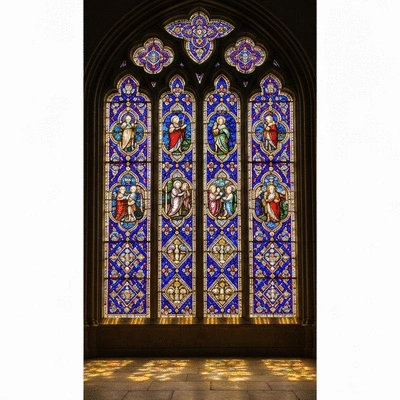
Key Periods of Transformation in Catholic Culture
Throughout the ages, several key periods have transformed Catholic culture and its artistic expressions. Each era brought unique styles and philosophies that shaped how we understand our faith today. Here are some significant periods to consider:
- Early Christianity: Focused on symbolism and modesty in art.
- The Middle Ages: A time of grand cathedrals and illuminated manuscripts.
- The Renaissance: A revival of classical themes and humanism in religious art.
- The Baroque Era: A period of drama and emotional depth in artistic representation.
- Modern Times: New interpretations and expressions that challenge traditional views.
Recognizing these transformative periods helps us appreciate the evolution of Catholic culture. By exploring the art and architecture of each era, we can better understand the connection between faith and creativity.
The Role of Ecumenical Councils in Shaping Catholic Traditions
Ecumenical councils have played a crucial role in shaping the beliefs and practices of the Catholic Church. These gatherings of bishops and theologians have been essential in defining doctrine and addressing pressing issues. Some notable councils include:
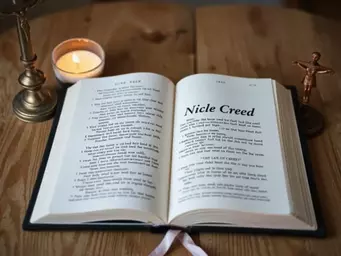
- The Council of Nicaea (325 AD): Established the Nicene Creed, affirming core Christian beliefs.
- The Council of Trent (1545-1563): Responded to the Reformation and reaffirmed Catholic teachings and practices.
- The Second Vatican Council (1962-1965): Aimed to modernize the Church and promote engagement with the contemporary world.
Each council has brought about significant changes that resonate through our traditions today. They have helped clarify our beliefs and adapt our practices to remain relevant in a changing world. By understanding the impact of these councils, we can better appreciate the depth of our faith and its artistic expressions.
The Artistic Legacy of the Catholic Church
Art, deeply rooted in our faith, serves not only as an expression of devotion but also as a means to communicate complex theological concepts. The Catholic Church has a rich artistic legacy that has evolved through centuries of history. Let's take a closer look at some of the key elements of this legacy!
Pro Tip
Did you know? Engaging with Catholic art and music can enhance your spiritual journey. Consider taking time each week to explore a piece of art or a hymn that resonates with you. Reflect on its meaning and how it connects to your faith. This practice not only deepens your understanding but also enriches your worship experience!
Reflecting on the Impact of Catholic Church History
The history of the Catholic Church is a rich tapestry that weaves together faith, culture, and artistry. As we reflect on the past, we see how it continually influences our present. This connection between historical legacy and modern practice is vital for understanding the essence of Catholicism today.
One cannot help but notice that the traditions established centuries ago still resonate deeply within our communities. From the grandeur of our churches to the melodies of our hymns, the impact of Church history is palpable. By exploring these connections, we appreciate not only our heritage but also how it shapes our faith journey.
Connecting Past and Present in Catholic Culture
Connecting the past and present in our Catholic culture is essential for fostering a greater understanding of our faith. We can look to various elements that demonstrate this connection:
- Artworks that depict biblical stories, reminding us of the foundational events of our faith.
- Architectural styles that reflect the evolution of worship spaces, merging tradition with modernity.
- Musical compositions that have stood the test of time, enriching our liturgical celebrations. The use of music in Catholic worship, especially Gregorian chant, continues to be a central element of the spiritual experience.
These touchpoints serve as a bridge, guiding us through centuries of experience and insight. The ongoing dialogue between past practices and contemporary expressions is a vital aspect of living out our faith in the modern world.
The Ongoing Influence of Church Art, Architecture, and Music Today
Today, the influence of Catholic art, architecture, and music remains profound. These elements speak to our spiritual lives, providing a sense of belonging and continuity. For instance, many churches still use traditional iconography in their designs, creating an environment conducive to worship and reflection.
Moreover, the music composed for liturgical settings often draws from historical roots, enriching our worship experience. The beauty of Gregorian chant, for example, continues to inspire both congregations and choirs alike. The role of music in religious movements, such as the Reformation, highlights its enduring power and influence on faith expressions. Embracing these traditions allows us to feel the presence of history as we gather in faith.
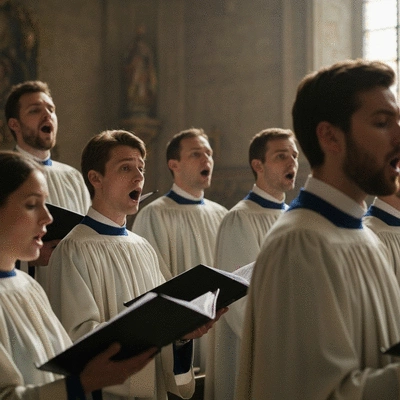
The Role of Art History in Understanding Catholicism
Art history plays a pivotal role in illuminating our understanding of Catholicism. By studying the artworks and architectural masterpieces of the Church, we gain insights into the beliefs and values that have shaped our faith. The stories told through paintings and sculptures often reflect theological concepts that remain relevant today.
For those interested in delving deeper into this relationship, consider exploring key themes such as:
- The portrayal of saints and their significance within the Church.
- How various art movements reflect the evolving understanding of spirituality.
- The impact of cultural contexts on the expression of faith through art. The study of cultural history offers valuable perspectives on how art and faith intersect.
By engaging with art history, we not only enrich our appreciation for Catholic traditions but also foster a deeper connection to our faith.
Frequently Asked Questions (FAQs)
Q: How has the Catholic Church historically influenced the arts?
A: The Catholic Church has been a major patron of the arts for centuries, commissioning works in architecture, painting, and music. This patronage has resulted in iconic cathedrals, masterpieces of religious art, and sacred musical compositions that have shaped Western culture.
Q: What are some key periods that transformed Catholic artistic expressions?
A: Significant periods include Early Christianity (symbolism and modesty), the Middle Ages (grand cathedrals and illuminated manuscripts), the Renaissance (classical themes and humanism), the Baroque Era (drama and emotional depth), and Modern Times (new interpretations).
Q: How have Ecumenical Councils impacted Catholic artistic traditions?
A: Ecumenical Councils, such as Nicaea, Trent, and Vatican II, defined Catholic doctrine and practices, which in turn influenced artistic expressions. These councils guided how faith was visually and auditorily represented, ensuring alignment with theological teachings.
Q: How can I engage with Catholic cultural heritage today?
A: You can engage by visiting museums and archives with Catholic art, participating in online resources like virtual tours and lectures, experiencing religious festivals, reading books on Catholic art history, and supporting Catholic educational institutions.
Q: Why is art history important for understanding Catholicism?
A: Art history provides insights into the beliefs, values, and theological concepts that have shaped Catholicism. Studying artworks and architectural masterpieces helps us understand the evolution of faith expression and its relevance in contemporary practice.
Engaging with Catholic Cultural Heritage
Engaging with our Catholic cultural heritage is a fulfilling journey that allows us to explore the depth of our faith. There are many avenues through which we can connect with this rich tradition, whether through local museums or online resources.
As the founder of What Catholics Believe, I encourage everyone to take steps to immerse themselves in this cultural legacy. Understanding our heritage strengthens our beliefs and inspires us to live out our faith authentically.
Visiting Museums and Archives: A Gateway to Understanding
Visiting museums and archives dedicated to Catholicism can provide a unique perspective on our history. These spaces often house invaluable artifacts that tell the story of our faith. When you visit, consider focusing on:
- Exhibits showcasing religious art and its evolution through the centuries.
- Collections that highlight significant moments in Church history.
- Workshops and talks that offer deeper insights into specific themes or artworks.
Such experiences allow us to witness the beauty of our tradition while promoting a greater appreciation for its complexities.
Participating in Online Resources: Discovering Virtual Tours and Content
In today’s digital age, online resources have made exploring Catholic heritage more accessible than ever. Virtual tours of famous churches, museums, and historical sites provide an excellent way to engage from the comfort of home. Look for:
- Interactive virtual tours that guide you through renowned landmarks like the Vatican.
- Online lectures and webinars featuring experts in Catholic art and history.
- Documentary films and series that delve into important themes within Catholicism.
These resources enhance our understanding and appreciation of the Church’s artistic and cultural contributions.
Experiencing Religious Festivals and Their Artistic Expressions
Participating in religious festivals offers a vibrant way to experience Catholic culture. These events are often filled with artistic expressions that celebrate our faith. Consider attending:
- Feast days that highlight the stories of saints through processions and artworks.
- Liturgical celebrations that showcase traditional music and dance.
- Community events that bring together local artists to share their work inspired by faith.
Such experiences not only deepen our connection to our faith but also foster a sense of community and shared purpose.
Taking Action: How to Further Explore Catholic History through Art and Music
As we seek to deepen our connection to Catholic history, taking action is key. There are countless opportunities for further exploration that can enrich our understanding.
At What Catholics Believe, we believe that actively engaging with our faith's history through art and music is crucial for spiritual growth. Here are some ways you can do just that!
Recommendations for Further Reading and Exploration
Diving into books and articles about Catholic art and history can open new avenues of understanding. Consider exploring:
- Biographies of influential artists and their spiritual journeys.
- Books that analyze specific periods in Catholic art history.
- Resources that connect historical events to contemporary practices.
These readings can provide context and inspire deeper reflection on our faith.
Joining the Conversation: Sharing Insights and Resources
Participating in discussions about Catholic cultural heritage can enhance our collective understanding. Joining forums or social media groups focused on Catholic art, architecture, and music allows us to share insights and resources. Don’t hesitate to:
- Share your favorite artworks or architectural sites.
- Engage in conversations about how these elements shape your faith.
- Collaborate with others to host local events around Catholic themes.
By sharing our experiences, we foster a dynamic community of learning and engagement.
Supporting Catholic Educational Institutions and Their Cultural Programs
Finally, we can contribute to the preservation and promotion of our cultural heritage by supporting Catholic educational institutions. Many schools and colleges offer programs dedicated to the arts, history, and theology. Consider:
- Participating in fundraising events for local Catholic schools.
- Volunteering for programs that promote art education in parishes.
- Engaging with initiatives that seek to preserve historical sites.
By investing in these programs, we not only enrich our own understanding but also ensure that future generations can engage with their Catholic heritage.
Recap of Key Points
- The Catholic Church has historically been a significant patron of the arts, influencing art, architecture, and music.
- Key historical milestones, such as the Edict of Milan and the Renaissance, played crucial roles in shaping Catholic cultural expressions.
- Various key periods, including Early Christianity, the Middle Ages, and the Baroque Era, contributed unique styles to Catholic art and architecture.
- Ecumenical councils have defined Catholic doctrine and practices, impacting artistic expressions throughout history.
- Engaging with Catholic cultural heritage can be achieved through museums, online resources, and participation in religious festivals.
- Exploring Catholic art history enhances understanding of theological concepts and the evolution of faith expression.