How does understanding the historical evolution of Catholic traditions shape our spiritual journey today? As we delve into the teachings and practices of our faith, we uncover valuable insights that connect us to the rich tapestry of Catholicism.
What You Will Learn
- The core doctrines of Catholicism, including the significance of the Trinity and the sacraments.
- Key historical events like the Council of Nicaea and the Council of Trent that shaped Catholic beliefs and practices.
- The Catholic Church's profound influence on society, culture, education, and the arts throughout history.
- The importance of adapting Catholic traditions to remain relevant in modern contexts, including technology and social justice.
- How understanding historical traditions can enhance contemporary worship and foster community engagement.
- The role of ecumenism in promoting unity among Christians and fostering collaboration in social justice initiatives.
- Resources and next steps for further engaging with Catholic traditions and enhancing your understanding of the faith.
The Evolution of Catholic Traditions: Key Milestones and Modern Adaptations
This visual timeline illustrates the historical shaping of Catholic traditions and highlights key areas of modern adaptation, offering insights into the Church's ongoing evolution.
Historical Shaping of Catholic Traditions
Council of Nicaea: Defined Nicene Creed.
Council of Trent: Solidified doctrines post-Reformation.
Church founded early universities.
Modern Adaptations in Catholicism
Embracing digital worship and catechesis.
Engaging younger generations; diverse cultural expressions.
Addressing contemporary issues via CST.
Understanding the Historical Evolution of Catholic Traditions
The journey of Catholicism is like a rich tapestry woven through centuries, each thread representing unique traditions, beliefs, and practices. To truly appreciate the essence of our faith, we must explore the historical evolution of Catholic traditions. This exploration not only reveals the heart of our beliefs but also helps us connect with the larger story of the Church.
At its core, Catholicism is grounded in a set of key doctrines that shape not only our worship but also our daily lives. These doctrines, encompassing the sacraments, the authority of the Pope, and the significance of the Eucharist, form the bedrock of our faith. As we delve into these essential elements, we can better understand how they influence our spiritual journey.
Defining Catholicism: Key Doctrines and Practices
When discussing Catholicism, it's important to identify the foundational doctrines that guide our beliefs. Here are some key doctrines and practices that define our faith:
- The Trinity: Belief in one God in three persons—Father, Son, and Holy Spirit.
- The Sacraments: Baptism, Eucharist, Reconciliation, Confirmation, Marriage, Holy Orders, and Anointing of the Sick play critical roles in our spiritual lives.
- The Authority of the Church: The Pope, as the successor to St. Peter, holds a special place in guiding the Church.
- The Resurrection: Central to our faith, the resurrection of Jesus assures us of eternal life.
These doctrines not only encapsulate what it means to be Catholic but also guide our daily interactions with God and one another. They remind us that our faith is a lived experience, deeply rooted in community and tradition.

The Role of Historical Events in Shaping Catholic Traditions
Throughout history, significant events have shaped Catholic traditions—each chapter adding depth and nuance to our beliefs. For example, the Council of Nicaea in 325 AD was pivotal in defining the relationship between Jesus and God the Father. This council helped clarify the Nicene Creed, which is recited in Mass today, and established core tenets of our faith.
Moreover, the Reformation in the 16th century prompted the Church to reevaluate practices and beliefs, leading to the Council of Trent, which solidified many Catholic doctrines. Understanding these historical events illuminates how our Church has adapted while remaining steadfast in its core beliefs.
The Catholic Church's Influence on Society and Culture Throughout History
The impact of the Catholic Church on society and culture is profound. From education to social justice and art, the Church has played a vital role in shaping civilizations. For instance, many of the first universities were founded by the Church, promoting not only academic learning but also the teachings of Christ.
Additionally, Catholic traditions and values have inspired countless works of art, music, and literature, enriching cultural landscapes worldwide. Have you ever paused to think about how these artistic expressions reflect our faith? They serve as a reminder of how intertwined our beliefs are with human creativity and societal progress.
Pro Tip
Did you know? Engaging with the historical context of Catholic traditions can significantly enhance your understanding of their significance. Take time to reflect on how specific events, like the Council of Nicaea, shaped the doctrines you practice today. This deeper appreciation can enrich your worship and connection to the faith.
Reflecting on the Ongoing Evolution of Catholic Traditions
The journey of Catholic traditions is a dynamic one, constantly shaping and reshaping itself in response to the world around us. As we explore the future of Catholicism, it’s vital to consider how these traditions can adapt to modern contexts. I often find myself pondering how our faith can resonate with contemporary issues, enabling us to connect deeply with the essence of the Church's teachings.
To better understand this evolution, let’s look at a few key areas that illustrate the adaptability of our faith:
- Embracing technology in worship services
- Engaging younger generations through new expressions of faith
- Addressing social justice issues rooted in Catholic social teaching
These aspects not only reflect the ongoing evolution of Catholicism but also highlight our commitment to making our traditions meaningful in today’s world.
The Future of Catholicism: Adapting to Modern Contexts
As we envision the future of Catholicism, the need for adaptation becomes clear. The modern world presents challenges and opportunities that require us to rethink how we approach our faith. For example, in my experience at What Catholics Believe, I’ve seen how innovative catechetical methods can engage individuals who might otherwise feel disconnected from the Church.
Key adaptations for the future of Catholicism include:
- Utilizing online platforms for catechesis and community building
- Incorporating diverse cultural expressions into worship
- Fostering dialogue around ethical issues and morality in a contemporary setting
By addressing these elements, we can ensure that our traditions remain relevant and accessible to all Catholics, especially the younger generations.
How Understanding Traditions Can Enhance Contemporary Worship
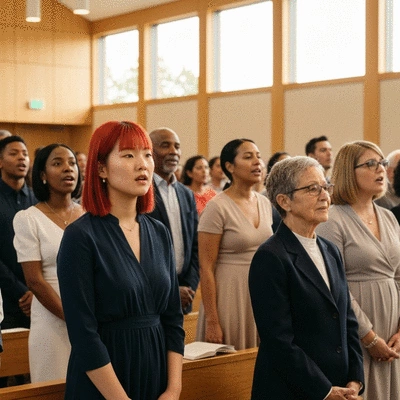
Understanding our rich traditions can profoundly enhance contemporary worship. When we dig deeper into our rituals and practices, we uncover layers of meaning that can enrich our spiritual lives. I believe that by connecting with these traditions, we can find more profound ways to experience God's presence in our lives.
Here are some ways understanding traditions can enhance worship:
- Recognizing the historical significance of the liturgy
- Integrating traditional hymns and prayers into modern services
- Fostering a sense of community through shared practices and rituals
When we embrace the wealth of our heritage, we not only enrich our worship but also create a more engaging and inclusive environment for all members of our community.
The Role of Ecumenism in Modern Catholic Practices and Beliefs
Ecumenism plays a crucial role in shaping modern Catholic practices and beliefs. It emphasizes unity among different Christian denominations while respecting the unique traditions of each. At What Catholics Believe, we encourage exploring ecumenical dialogue as a way to foster understanding and cooperation among all Christians.
Some essential aspects of ecumenism include:
- Engaging in interfaith dialogues to promote mutual respect
- Collaborating on social justice initiatives within local communities
- Participating in joint worship services and events
Through these collaborative efforts, we can build a stronger Christian witness in the world, reflecting Christ’s love and unity.
Engaging with Catholic Traditions: Resources and Next Steps
As we navigate the ongoing evolution of Catholic traditions, it’s essential to engage with various resources that can deepen our understanding. At What Catholics Believe, we strive to provide a wealth of materials that illuminate our rich heritage and offer practical insights for contemporary practice.
Visual Timelines and Interactive Materials for Deeper Understanding
To enhance your grasp of Catholic traditions, visual timelines and interactive materials can be invaluable tools. These resources make it easier to visualize the development of key doctrines and practices over time. I encourage exploring these tools to see how they can enrich your journey of faith.
- Infographics on major Church events and their impacts
- Interactive maps detailing the spread of Catholicism
- Visual guides on the sacraments and their significance
Using these materials can transform your understanding of our faith, making it more engaging and accessible.
Further Reading and Resources to Explore Catholic Doctrine
There’s no shortage of literature and online resources available for diving deeper into Catholic doctrine. Whether you're a seasoned Catholic or new to the faith, these resources can greatly enhance your knowledge. I often recommend a few foundational texts and websites to my friends and students:
- The Catechism of the Catholic Church
- Books by renowned theologians such as Scott Hahn and Henri Nouwen
- Online platforms like the United States Conference of Catholic Bishops (USCCB) for current teachings
These readings not only clarify complex doctrines but also inspire a more profound commitment to living out one’s faith.
Exploring Catholic Social Teaching: Principles for Modern Engagement
Catholic social teaching (CST) offers a framework for addressing pressing social issues in our world today. It calls on us to act with justice and compassion, reflecting Christ’s love in our actions. By understanding these principles, we can engage with contemporary challenges from a Catholic perspective, drawing inspiration from encyclicals such as Fratelli Tutti, which emphasizes universal fraternity and social friendship.
The principles of CST, further explored in academic discussions like those found on JSTOR, guide us toward:
- The dignity of the human person
- Solidarity with the marginalized
- Care for creation and environmental stewardship
Engaging with CST provides practical insights for living our faith in action, making a positive impact in our communities and beyond.
Frequently Asked Questions (FAQs)
- What are the core doctrines of Catholicism?
- The core doctrines include belief in the Trinity (God in three persons), the seven Sacraments (Baptism, Eucharist, Reconciliation, Confirmation, Marriage, Holy Orders, Anointing of the Sick), the authority of the Pope, and the Resurrection of Jesus.
- How have historical events shaped Catholic traditions?
- Key historical events like the Council of Nicaea (325 AD) defined fundamental beliefs such as the Nicene Creed, while the Council of Trent (16th century) solidified doctrines in response to the Reformation. These events have critically influenced the Church's practices and beliefs over time.
- What is the Catholic Church's influence on society and culture?
- The Catholic Church has profoundly influenced various aspects of society, including education (founding early universities), the arts (inspiring countless works of music, art, and literature), and social justice, shaping civilizations throughout history.
- How is Catholicism adapting to modern contexts?
- Modern adaptations include embracing technology for worship and catechesis, engaging younger generations through diverse cultural expressions, and addressing contemporary social issues through Catholic social teaching. These efforts aim to keep traditions relevant and accessible.
- What is the role of ecumenism in modern Catholicism?
- Ecumenism promotes unity among different Christian denominations while respecting their unique traditions. It involves interfaith dialogues, collaboration on social justice initiatives, and joint worship services to foster understanding and a stronger Christian witness.
Recap of Key Points
Here is a quick recap of the important points discussed in the article:
- Catholicism is defined by key doctrines such as the Trinity, the sacraments, and the authority of the Pope.
- Historical events, like the Council of Nicaea and the Reformation, have significantly shaped Catholic traditions.
- The Catholic Church has had a profound influence on society and culture, including education, art, and social justice.
- Modern adaptations of Catholic traditions include embracing technology and engaging younger generations.
- Understanding traditions can enhance contemporary worship by integrating historical significance and community practices.
- Ecumenism plays a vital role in promoting unity among different Christian denominations.
- Engaging with Catholic social teaching provides a framework for addressing contemporary social issues.