As we navigate the rich tapestry of the Roman Catholic Church's history, it's fascinating to reflect on the profound challenges and triumphs that shaped its identity. This exploration reveals not just the Church's evolution but also the enduring lessons we can draw from its past.
What You Will Learn
- The significance of Pentecost as the birth of the Church and its mission to evangelize.
- How apostolic succession forms the foundation of the Church's authority and leadership.
- The role of early Christian figures, like Saint Paul and Ignatius, in spreading Christianity across diverse cultures.
- The impact of persecutions on the early Church's resilience and structure, fostering a strong sense of community.
- Key milestones such as the Edict of Milan and the Council of Nicaea that shaped Catholic doctrine and identity.
- The ongoing legacy of early challenges that continue to inform modern Catholic teachings and practices.
Key Milestones and Influences in the Roman Catholic Church's Development
The visual below highlights pivotal moments, foundational figures, and persistent challenges that shaped the Roman Catholic Church from its apostolic origins to its institutionalized form.
Apostolic Origins & Pentecost
- •Peter’s Leadership: Foundation for hierarchy.
- •Pentecost: Birth of the Church, evangelism begins.
- •Apostolic Authority: Bedrock of doctrine.
Spread of Early Christianity
- •Jewish Foundations: Early converts, solid base.
- •Roman Infrastructure: Roads for spreading gospel.
- •Influential Figures: Leaders like Ignatius shaped teachings.
Paul's Role & Theological Contributions
- •Missionary Journeys: Establishing communities.
- •Theological Contributions: Grace, salvation, resurrection.
- •Inclusive Message: Breaking cultural barriers.
Persecutions & Challenges (Pre-313 CE)
- •Communal Bonds: Galvanized identity.
- •Martyrdom: Inspired resolve.
- •Underground Church: Rich tradition of catechesis.
Post-Constantine Era: Edict of Milan & Councils
- •Legal Recognition: Shift from persecution to acceptance.
- •Council of Nicaea: Defined Trinity doctrine.
- •Ongoing Development: Responding to challenges.
Apostolic Succession & Papal Authority
- •Historical Lineage: Pope as Peter's successor.
- •Spiritual Authority: Guiding faith and practice.
- •Unity in Diversity: Fostering global Catholic community.
Modern Implications of Historical Foundations
- •Compassion & Social Justice: Roots in early teachings.
- •Organizational Structures: Developed from persecution.
- •Call for Unity: Echoes early community mission.
Catholic Social Teaching & Origins
- •Common Good: From early communal life.
- •Solidarity: Response to early injustices.
- •Care for Creation: Stewardship principles.
The Historical Context of the Roman Catholic Church's Rise
Understanding the historical context of the Roman Catholic Church's rise is crucial for grasping its profound influence over centuries. At the heart of this history are foundational beliefs regarding Jesus Christ and his chosen apostle, Saint Peter, who is often recognized as the first pope. This connection underscores the importance of Pentecost, a pivotal moment in early Christianity when the Holy Spirit descended upon the apostles, empowering them to spread the teachings of Jesus and establish the early Church.
The Pentecost marks a significant turning point, as it represents the birth of the Church and the beginning of its mission to evangelize. As we explore this crucial period, we see how the Church was molded not only by its divine origins but also by the trials and triumphs of its early followers.
Tracing the Apostolic Origins of the Church
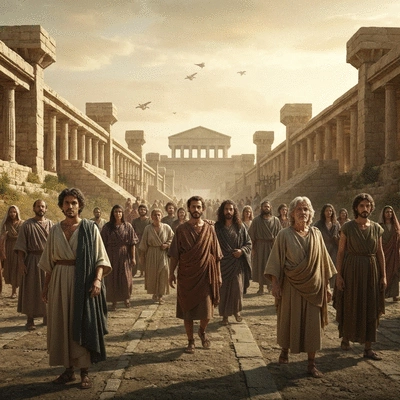
The roots of the Church can be traced back to the apostles, particularly to Peter, who is seen as the rock upon which Christ built His Church. This apostolic succession is vital, as it establishes a direct link from the Church's founding figures to its present-day leadership. According to Catholic tradition, each pope is a successor to Saint Peter, carrying forward the mission entrusted to him.
- Peter's Leadership: Peter’s role as the leader of the apostles set the foundation for church hierarchy.
- Pentecost's Significance: This event empowered the apostles, marking the start of their evangelism.
- Apostolic Authority: The teachings of the apostles are considered the bedrock of Catholic doctrine.
By recognizing these early figures and events, we connect to a rich tradition that informs the practices and beliefs we hold dear today. The Church's authority derives not merely from its historical lineage but also from its commitment to uphold the teachings of Christ as passed down through the apostles.
The Spread of Early Christianity: Key Influences
As we delve into the spread of early Christianity, it is fascinating to note how it flourished, particularly through Jewish communities and the extensive Roman road network. Early Christians utilized these roads to travel and share the gospel, effectively reaching diverse populations. Figures like Ignatius of Antioch played pivotal roles in this expansion, as he traveled widely, writing letters that encouraged and instructed Christian communities.
- Jewish Foundations: Early converts often came from Jewish backgrounds, providing a solid base for the Church.
- Roman Infrastructure: The roads facilitated travel and communication, allowing ideas to spread quickly.
- Influential Figures: Key leaders like Ignatius shaped the narrative and teaching of early Christianity.
The proactive approach of these early Christians, alongside their passion for spreading the message of Christ, laid the groundwork for what would become a global faith. This period highlights the dynamic, grassroots nature of the early Church and its ability to adapt and thrive amid various cultural contexts.
The Role of Saint Paul in Early Christianity
Saint Paul emerges as a central figure in early Christianity, whose theological teachings were instrumental in shaping the Church's doctrine. His letters, which form a significant part of the New Testament, addressed various communities and guided them in faith. Paul’s ability to articulate complex ideas in accessible language is a testament to his dedication to spreading the gospel.
- Missionary Journeys: Paul undertook several journeys to establish new communities and nurture existing ones.
- Theological Contributions: His writings delve into grace, salvation, and the significance of Christ’s resurrection.
- Inclusive Message: Paul emphasized the universality of the Christian message, breaking cultural barriers.
Through his missionary zeal and profound insights, Paul not only expanded the reach of Christianity but also deepened the understanding of its core beliefs. His legacy continues to resonate, illustrating the transformative power of faith that transcends time.
Milestones in the Development of Roman Catholicism
As we move forward, it is essential to recognize the significant milestones in the development of Roman Catholicism, marking key turning points that shaped its identity.
Persecutions and Challenges Before 313 CE
Before the Edict of Milan in 313 CE, early Christians faced numerous persecutions that tested their faith and resilience. From social ostracism to violent reprisals, these challenges shaped the organizational structure of the Church and fostered a sense of community among believers. Despite the hardships, Christians found strength in their shared faith, leading to a robust ecclesiastical structure that would withstand adversity.
- Communal Bonds: Persecution galvanized early Christians, fostering a strong sense of identity.
- Martyrdom: The sacrifices of martyrs inspired others and solidified the community's resolve.
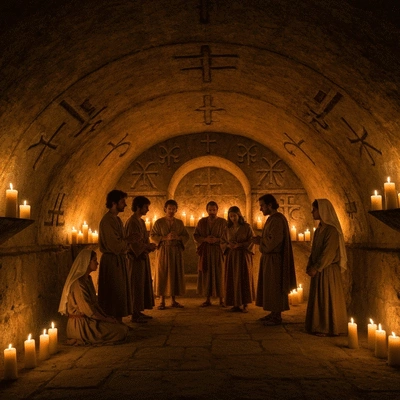
- Underground Church: Many believers practiced their faith in secret, leading to a rich tradition of catechesis and community support.
These early challenges laid the groundwork for a resilient Church that would emerge stronger, equipped to navigate the complexities of societal change.
Significant Events Post-Constantine: Edict of Milan and Beyond
The Edict of Milan in 313 CE was a watershed moment for Christianity, granting it legal status and ending the persecutions. This change allowed for the Church's public presence and led to the establishment of key councils, such as Nicaea and Chalcedon, which were vital in defining Christian doctrine. These councils addressed critical theological disputes, helping to unify the Church and clarify its beliefs.
- Legal Recognition: The Edict marked a shift from persecution to acceptance of Christianity.
- Council of Nicaea: This pivotal council addressed the nature of Christ, affirming the doctrine of the Trinity.
- Ongoing Development: The Church continued to evolve, responding to new theological and societal challenges.
By legitimizing Christianity, Constantine set the stage for its rapid growth and further institutional development, leading to the emergence of the Roman Catholic Church as a dominant spiritual force.
Understanding Apostolic Succession and Papal Authority
A key concept within the Roman Catholic Church is Apostolic Succession, which asserts that the authority given by Christ to the apostles has been passed down through generations of bishops to the present pope. This idea underpins the papal authority essential to Catholicism, anchoring the Church's teachings in a historical continuum that provides both legitimacy and stability.
- Historical Lineage: Each pope is viewed as a successor to Saint Peter, maintaining the integrity of Church teachings.
- Spiritual Authority: The pope serves as a spiritual leader for Catholics worldwide, guiding faith and practice.
- Unity in Diversity: Apostolic Succession fosters unity among the diverse global Catholic community.
This understanding of leadership and authority not only shapes the governance of the Church but also reinforces its mission to uphold the teachings of Christ in a turbulent world.
Pro Tip
Did you know? Engaging with the early teachings of the Church can significantly deepen your understanding of contemporary Catholic practices. Exploring the letters of Saint Paul or the writings of early Church Fathers can provide insights into how foundational beliefs continue to shape our faith today.
Frequently Asked Questions About the Roman Catholic Church's History
What is the significance of Pentecost in the history of the Catholic Church?
Pentecost is considered the birth of the Church, marking the moment when the Holy Spirit descended upon the apostles, empowering them to begin their mission of evangelism and spread the teachings of Jesus Christ.
How does apostolic succession contribute to the authority of the Catholic Church?
Apostolic succession is vital because it establishes a direct, unbroken link from the original apostles, particularly Saint Peter, to the present-day papacy and bishops. This continuity ensures the integrity and legitimacy of the Church's teachings and leadership.
Who were some key figures in the early spread of Christianity?
Key figures include Saint Peter, recognized as the first pope, and Saint Paul, whose missionary journeys and theological writings were instrumental. Ignatius of Antioch also played a significant role by writing letters that guided early Christian communities.
What was the impact of persecutions on the early Church?
Persecutions, faced before 313 CE, strengthened communal bonds among Christians, solidified their identity through martyrdom, and led to the development of an "underground" Church with rich traditions of catechesis and mutual support.
What was the Edict of Milan, and why was it important?
Issued in 313 CE, the Edict of Milan granted legal status to Christianity within the Roman Empire, ending centuries of persecution. This pivotal event allowed the Church to grow publicly and led to institutional developments like the Council of Nicaea, which defined core Christian doctrines.
How do historical foundations influence modern Catholic teachings and practices?
The historical foundations, such as the resilience shown during persecutions, the early emphasis on community, and the development of theological doctrines, continue to inform modern Catholic teachings, including social justice, organizational structures, and the call for unity among believers.
The Ongoing Legacy of the Roman Catholic Church's Early Challenges
Modern Implications of Historical Foundations
The early challenges faced by the Roman Catholic Church have left a profound legacy that continues to shape its identity today. Understanding these historical foundations helps us grasp how they influence contemporary practices and beliefs. The resilience displayed during periods of persecution not only fortified the Church but also established a framework for addressing modern societal issues.
Today, many of the Church's responses to challenges—such as the emphasis on community and outreach—are direct results of early struggles. This ongoing legacy reminds us that the Church is not merely a historical institution but a living entity striving to respond to the needs of its faithful in an ever-changing world.
- The emphasis on compassion and social justice, rooted in early Church teachings.
- The organizational structures developed in response to persecution that remain relevant today.
- The call for unity among believers, echoing the early community's mission.
By reflecting on these aspects, we can see how the past continues to guide the Church's mission in modern society. Each of us, as members of this enduring community, plays a role in carrying this legacy forward.
Continuing Debates and Scholarly Perspectives
The discussions surrounding the origins of the Roman Catholic Church remain vibrant in academic circles. Scholars continue to explore various perspectives on the influence of pagan practices and the validity of historical claims. Understanding these debates provides an enriching context for our faith journey. For a deeper dive into scholarly work on the Catholic Church's historical development and its role in society today, consider exploring resources from institutions that focus on global Catholicism and its historical impact.
- Arguments regarding the role of early Church Fathers and their interpretations.
- Debates on the impact of cultural integration on early Christian practices.
- Perspectives on the Church’s evolution from a persecuted sect to a state-recognized religion.
These scholarly perspectives not only broaden our understanding but also invite us to engage critically with our faith’s history. I encourage you to explore these discussions further, as they can deepen your appreciation for the complexities of our Catholic heritage.
Understanding Catholic Social Teaching and Its Origins
Catholic Social Teaching (CST) is an essential aspect of our faith that has evolved in response to social issues throughout history. Its roots can be traced back to the early Church's engagement with moral and ethical challenges. By examining these origins, we can appreciate how CST informs our actions today.
- The principle of the common good, emerging from communal life in the early Church.
- Solidarity with the marginalized, a response to the injustices faced by early Christians.
- Care for creation, reflecting stewardship principles articulated by early Church leaders.
These tenets of Catholic Social Teaching guide us as we navigate the complexities of modern life, reminding us of our responsibility to advocate for justice and compassion in our communities. Engaging with these teachings allows us to live out our faith actively and meaningfully.
Recap of Key Points
Here is a quick recap of the important points discussed in the article:
- Historical Context: The rise of the Roman Catholic Church is rooted in the teachings of Jesus Christ and the pivotal event of Pentecost.
- Apostolic Origins: The Church's authority is derived from apostolic succession, with each pope seen as a successor to Saint Peter.
- Spread of Early Christianity: The early Church flourished through Jewish communities and the Roman road network, facilitated by influential figures like Ignatius of Antioch.
- Saint Paul's Role: Paul's missionary journeys and theological contributions were instrumental in shaping early Christian doctrine.
- Milestones in Development: The Edict of Milan in 313 CE marked a transition from persecution to acceptance, paving the way for the Church’s growth.
- Apostolic Succession and Papal Authority: This concept reinforces the legitimacy and continuity of Church teachings through the ages.
- Legacy of Early Challenges: The resilience shown during early persecutions influences modern Catholic identity and community values.