Have you ever considered the profound impact of a single event on the course of history? The moment of Pentecost not only marked the birth of the Catholic Church but also set the stage for a global community of faith. Let’s delve into the essential lessons from this pivotal moment in early Christianity.
What You Will Learn
- The empowerment of the apostles through the Holy Spirit was a transformative experience that enabled them to spread the teachings of Jesus boldly.
- Pentecost symbolizes the establishment of the early Church, where thousands were baptized, marking the foundation of a supportive Christian community.
- The teachings and traditions established during Pentecost resonate in modern Catholic beliefs, emphasizing the ongoing presence of the Holy Spirit in the Church today.
- Key figures like Peter emerged as leaders, demonstrating the importance of dialogue and community building in spreading faith and resilience among believers.
Key Milestones: Birth and Growth of the Catholic Church
The journey of the Catholic Church, from its Pentecost origins to its expansion within the Roman Empire, is marked by transformative events and foundational processes.
The Birth of the Church: Pentecost
- •Empowerment by the Holy Spirit: Disciples spoke in various languages.
- •Formation of Early Church: Thousands baptized, creating a community.
- •Significance for Believers: Symbolizes Holy Spirit's ongoing presence.
Early Christian Initiation: The Catechumenate
- ●Inquiry Stage: Expressed interest, learned teachings.
- ●Catechumen Stage: Received instruction on sacraments & morals.
- ●Baptism: Official entry into the Christian community.
Understanding the Birth of the Catholic Church at Pentecost
Have you ever wondered about the moment that marked the beginning of the Catholic Church? The event we know as Pentecost is often referred to as the Church’s birthday. This profound moment, experienced by the apostles and early followers of Jesus, set the foundation for what would become a global community of faith. Let's explore the significance of Pentecost and its impact on early Christianity.
The Significance of Pentecost in Early Christianity
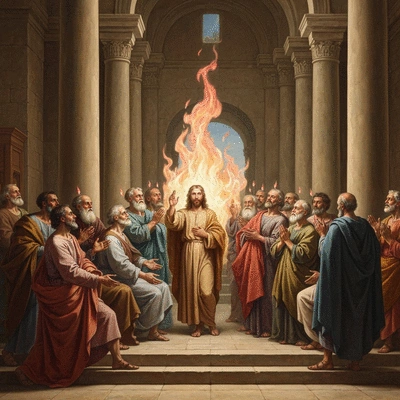
Pentecost is a pivotal event that encapsulates the essence of the early Church's mission. Celebrated fifty days after Easter, it commemorates the outpouring of the Holy Spirit upon the apostles. This transformative experience empowered them to boldly proclaim the teachings of Jesus to a diverse audience. As a result, many were baptized and joined the community of believers, igniting the flames of early Christianity.
- Empowerment by the Holy Spirit: The disciples received the gift of the Holy Spirit, enabling them to speak in various languages.
- Formation of the Early Church: Thousands were baptized, marking the establishment of a supportive Christian community.
- Significance for Believers: Pentecost symbolizes the ongoing presence of the Holy Spirit in the Church today.
Understanding Pentecost helps us appreciate the deep spiritual roots of our faith. It serves as a reminder that we are called to spread the message of love, compassion, and hope in our modern world.
Defining Pentecost: The Day of the Church’s Birth
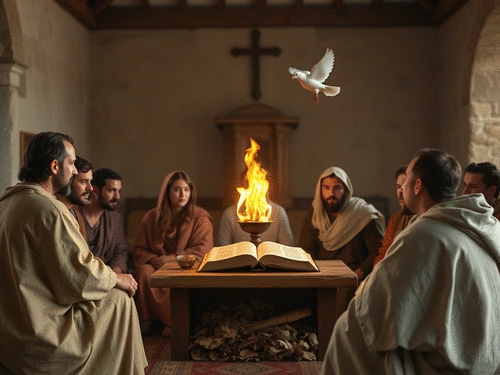
Pentecost is often thought of as the day the Church was officially born. Imagine the scene: the apostles, filled with anticipation, gathered in prayer. Suddenly, a mighty wind filled the room, and tongues of fire rested upon each of them. This vivid imagery reflects the profound transformation that took place as they became bold witnesses of Christ's resurrection.
For many Catholics today, Pentecost serves as an annual reminder of our own calling to be active participants in our faith, just as the apostles were in their time. It encourages us to seek the Holy Spirit's guidance as we navigate our own spiritual journeys.
Key Events and Figures: The Role of the Apostles
The apostles were crucial to the events of Pentecost. After receiving the Holy Spirit, they began to proclaim the Gospel with confidence. Figures like Peter emerged as leaders, delivering powerful speeches that called others to repentance and faith.
- Peter's First Sermon: He preached to the crowds, explaining the significance of Jesus' resurrection and the fulfillment of prophecies.
- Other Apostles' Contributions: Each apostle played a role in spreading the message, highlighting unity among diverse backgrounds.
- First Converts: The prompt response from thousands of listeners illustrated the urgency of their message.
This dynamic leadership set the stage for the Church's expansion, as early believers took on various roles within their communities, fostering growth and resilience.
Understanding the Catechumenate in Early Christian Initiation
The catechumenate emerged as a foundational aspect of the early Church's initiation process. It provided a structured way for new believers to learn about the faith and prepare for baptism. This process often involved a series of stages, each designed to deepen the candidate's understanding and commitment.
- Inquiry Stage: Individuals expressed interest and began learning about the teachings of Christ.
- Catechumen Stage: As they progressed, they received catechesis, which included instruction on the sacraments and moral teachings.
- Baptism: The culmination of this journey was baptism, marking their official entry into the Christian community.
The catechumenate illustrates the Church's dedication to nurturing faith, reminding us of our own journey toward a deeper understanding of Catholicism. Through resources like those offered at What Catholics Believe, we aim to simplify these teachings, making them accessible to everyone, whether they are lifelong Catholics or simply curious about our faith.
Tracing the Growth of the Catholic Church in the Roman Empire
As we transition to examine the growth of the Catholic Church, it's essential to recognize how early Christianity spread throughout the Roman Empire. This period was marked by remarkable missionary efforts, communal activities, and the resilience of believers amid persecution. Each of these elements played a vital role in shaping the Church as we know it today. For a comprehensive overview of how Catholicism developed through history, you might find resources like those provided by Durham University's Catholic Studies particularly insightful.
Interactive Poll: Your Thoughts on Pentecost
How does the celebration of Pentecost resonate with your personal faith journey? Select one of the options below:
Reflecting on the Early History of the Catholic Church
As we look back on the early history of the Catholic Church, it’s fascinating to see how the foundations laid by our ancestors continue to shape our modern beliefs. The teachings and traditions established during the early centuries resonate deeply with us today, providing a roadmap for living out our faith. Have you ever considered how events from so long ago still influence your own spiritual journey? Let’s explore these connections!
The Lasting Influence of Early Christianity on Modern Beliefs
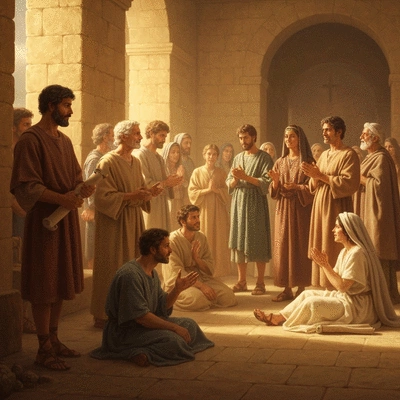
The journey of the Catholic Church began with the Apostles and their courageous mission. Their teachings, infused with the Holy Spirit's guidance, formed the bedrock of what we now understand as Catholic doctrine. This historical legacy not only defines our faith but also encourages us to engage deeply with the rich tapestry of our beliefs. For more detailed insights into the historical development of the Church, Cambridge University Press offers extensive historical analyses.
- Doctrine of the Trinity: Developed from early teachings, it remains central to our faith.
- Understanding of Sacraments: Rooted in the practices initiated by the Apostles.
- Emphasis on Community: Early Christians fostered a sense of belonging that still thrives in parishes today.
These key tenets remind us of the enduring nature of our faith. They underscore the importance of community and the continuous call to live as Christ taught. Each of us carries forward the mission of the early Church, striving to embody love, compassion, and service in our own lives.
Connecting the Past to Present Catholic Doctrine
When we examine our current beliefs, it’s essential to recognize the threads that connect us to our past. The Council of Nicaea and other early gatherings helped to crystallize doctrines that we hold dear. One can see how these decisions shape our understanding of key aspects of faith today!
Consider how we view the sacraments, our understanding of grace, and the authority of the Church—all rooted in early decisions and discussions. Reflecting on these roots encourages us to appreciate the wisdom that has been passed down through generations.
Lessons from the Early Church for Contemporary Faith Communities
In exploring the early Church, we find profound lessons that resonate with today’s faith communities. The challenges faced by early Christians, from persecution to doctrinal disputes, highlight resilience and the need for a strong community. Here are some lessons we can draw:
- Perseverance in Faith: Early Christians faced trials but remained steadfast.
- The Importance of Dialogue: Debates over doctrine fostered a deeper understanding of faith.
- Community Building: Relationships within the Church were vital for support and growth.
By applying these lessons today, we can strengthen our own communities, fostering environments where faith is actively lived out and nurtured. The early Church serves as an inspiring example of how to navigate modern challenges with grace and unity!
Frequently Asked Questions about Pentecost and the Early Church
Q: What is Pentecost often referred to as?
A: Pentecost is often referred to as the Church's birthday, marking the foundational moment for the global community of faith.
Q: What transformative experience did the apostles have at Pentecost?
A: The apostles experienced the outpouring of the Holy Spirit, which empowered them to speak in various languages and boldly proclaim the teachings of Jesus.
Q: How did the early Church form after Pentecost?
A: Thousands were baptized after hearing the apostles' sermons, establishing a supportive Christian community.
Q: Who was a key figure in leading the early Church after Pentecost?
A: Peter emerged as a prominent leader, delivering powerful speeches that led many to repentance and faith.
Q: What was the Catechumenate, and what was its purpose?
A: The Catechumenate was a structured process in the early Church for new believers to learn about the faith and prepare for baptism, deepening their understanding and commitment.
Q: How does the early history of the Catholic Church influence modern beliefs?
A: The teachings and traditions established by the apostles and early Church fathers, such as the Doctrine of the Trinity and the understanding of sacraments, continue to shape modern Catholic doctrine and community emphasis.
Engaging with Early Catholic Church History
As we delve into the rich history of the early Church, I encourage you to engage with the stories and teachings that shape our Catholic identity. The more we learn, the more we can connect with our faith on a personal level. The journey of exploration is one that never truly ends!
Encouraging Further Exploration and Understanding
To deepen your understanding of early Christianity, there are numerous resources available that can guide your journey. Whether you're a practicing Catholic or someone simply curious about the faith, I invite you to explore!
- Books: Titles that cover early Church history and doctrine.
- Online Courses: Many organizations offer courses on Church history.
- Documentaries: Visual storytelling that brings the past to life.
Engaging with these resources allows us to appreciate the complexities of our faith and the role of the Church in the world today. Each resource can shed light on how our past informs our present!
Recommended Resources for Learning About Early Christianity
Here are a few recommended resources to get you started on your exploration:
- The Early Church: History and Theology by Philip Schaff
- Church History: A Crash Course for the Curious by Stephen L. Harris
- Podcasts: Search for those focusing on Church history and theological discussions.
These materials can provide a deeper insight into the early Church’s developments and challenges. They’re perfect for anyone wanting to enrich their faith with knowledge!
Key Early Christian Writings and Their Significance
The writings of early Church Fathers are invaluable for understanding our faith's evolution. Texts like the Apostolic Fathers, as well as the works of Augustine and Jerome, articulate foundational beliefs. Engaging with these texts can illuminate how early Christians interpreted the teachings of Christ and the implications for our lives today.
Inviting Your Thoughts: Share Your Insights on Early Church History
Finally, I would love to hear your thoughts! What aspects of early Church history resonate with you? Are there specific teachings or stories that inspire your faith? Sharing insights can foster a rich dialogue among our community, helping us all grow together in understanding and conviction. Let’s reflect on our collective journey as we continue to explore the beauty of Catholicism!
Recap of Key Points
Here is a quick recap of the important points discussed in the article:
- Pentecost marks the birth of the Catholic Church, symbolizing the empowerment of the apostles through the Holy Spirit.
- The early Church was formed through baptism, as thousands joined the community of believers inspired by the apostles’ teachings.
- Key figures like Peter played vital roles in proclaiming the Gospel, illustrating the importance of leadership in faith.
- The catechumenate provided structure for new believers to learn and prepare for baptism, emphasizing the Church's commitment to nurturing faith.
- Lessons from early Christianity include perseverance in faith, the importance of dialogue, and community building, which remain relevant for contemporary believers.