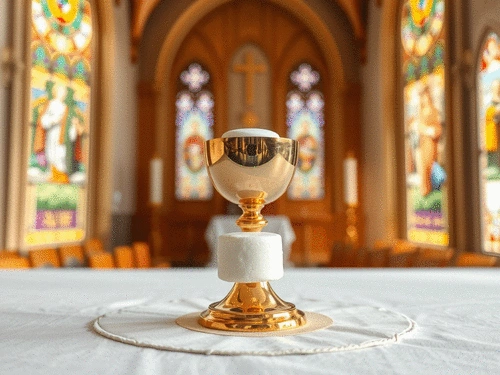
Have you ever felt a moment of grace during Communion that resonated deeply within you? It's in these moments that we find the true essence of the Eucharist, a profound encounter that nourishes both our spirit and community.
What You Will Learn
- The Eucharist is regarded as the source and summit of the Christian life, symbolizing both unity and commitment among believers.
- Transubstantiation highlights the miraculous transformation of bread and wine into the actual body and blood of Christ, emphasizing God’s love and presence.
- Regular participation in the Eucharist fosters spiritual nourishment and strengthens one’s relationship with God and the Church.
- The Real Presence of Christ in the Eucharist invites believers to approach the sacrament with awe and gratitude, reflecting on the depth of their faith.
- Key biblical references from the Last Supper underscore the significance of the Eucharist as a communal act of faith and remembrance.
- Eucharistic Adoration serves as a personal encounter with Jesus, enhancing spiritual growth and community support.
- Engaging with the Eucharist in daily life encourages acts of service and love, embodying Christ’s teachings in practical ways.
The Eucharist: Processes and Core Beliefs
The Eucharist is central to Catholic theology, involving key processes and beliefs that define its significance. The visual below outlines these foundational elements.
Process: Transubstantiation
Transformation of bread and wine into Christ's body and blood.
- Appearance remains, essence changes.
- Emphasizes God's infinite love.
Core Belief: Real Presence
Christ is truly present (body, blood, soul, divinity) in consecrated elements.
- Profound truth, not merely figurative.
- Challenges to reflect on faith depth.
Spiritual Aspect: Source of Grace
Outpouring of grace, guiding towards salvation.
- Strength for daily challenges.
- Hope for eternal life.
Engagement: Eucharistic Adoration
Cultivating deeper relationship with Christ through quiet reflection.
- Personal encounter with Jesus.
- Leads to spiritual growth.
Understanding the Eucharist: Core Concepts and Definitions
The Eucharist holds a central place in Catholic theology, revered as not just a ritual but a profound encounter with the divine. At its core, the Eucharist represents the culmination of our faith, where believers come together to celebrate the presence of Christ in a communal setting. This sacrament invites us to explore deeper connections with our faith and understand the significance of this sacred meal.
Have you ever wondered why the Eucharist is so essential to our spiritual lives? It nourishes us not only physically but also spiritually, strengthening our relationship with God. The experience of receiving the Eucharist encourages us to reflect on our lives and our connection to the larger Catholic community.
The Meaning of the Eucharist in Catholic Theology
In Catholic theology, the Eucharist is considered the source and summit of the Christian life. This means that it is both the beginning and the ultimate goal of our faith journey. Through the Eucharist, we commemorate the Last Supper and the sacrifice of Christ, reminding us of His love and mercy. A recent study highlights positive signs of Catholic belief in the Eucharist, while also underscoring the need for a revival in understanding its significance, as detailed in the Catholic Review.
- It symbolizes unity among believers, bringing us together as one body in Christ.
- The Eucharist serves as a pledge of eternal life, offering a glimpse of the heavenly banquet.
- It encourages us to live out our faith actively in the world around us.
By understanding the Eucharist's meaning, we open ourselves to the transformative power it offers. It becomes a source of strength in our daily lives, guiding our actions and interactions with others.
Unpacking Transubstantiation: The Transformation of Bread and Wine
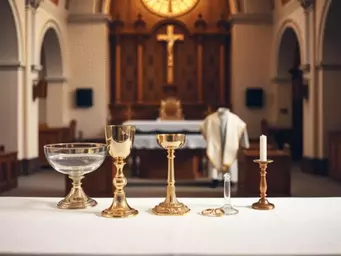
Transubstantiation is a crucial concept that explains how, during the Mass, the bread and wine become the actual body and blood of Christ. This mystery is not merely symbolic; it reflects a profound change that occurs at the level of substance. The Church teaches that while the appearances of bread and wine remain, their essence is transformed. The theological foundations of these beliefs are further explored in a national survey of adult Catholics.
- This transformation emphasizes God's infinite love, demonstrating His willingness to be present among us.
- Recognizing this change helps deepen our appreciation of the Eucharist as a miracle of faith.
- It invites us to approach the sacrament with reverence and gratitude.
As we contemplate transubstantiation, we recognize it as a beautiful manifestation of God's grace in our lives. This understanding enhances our experience of the Eucharist, allowing us to approach it with a heart full of faith.
The Role of the Eucharist as a Sacrament in Catholic Doctrine
The Eucharist is one of the seven sacraments in Catholic doctrine and holds a unique place among them. As a sacrament, it is an outward sign instituted by Christ to give grace. The Eucharist embodies not only a personal encounter with Christ but also our collective unity as the Body of Christ.
- The Eucharist nourishes our spiritual lives and fosters our relationship with God.
- It strengthens our commitment to live according to Christ's teachings.
- Participating in the Eucharist connects us to the Church's rich history and tradition.
This sacramental aspect of the Eucharist empowers us to embody our faith in action. It serves as a reminder that we are called to be instruments of God’s love and peace in the world.
The Real Presence of Christ: A Central Belief
One of the most profound beliefs in Catholicism is the Real Presence of Christ in the Eucharist. This doctrine asserts that Christ is truly present—body, blood, soul, and divinity—in the consecrated elements of bread and wine. This belief invites us to approach the Eucharist with reverence and awe, recognizing the sacredness of the moment.
As we delve deeper into this belief, we cultivate a greater understanding of our faith and the intimate relationship we share with Christ through the Eucharist. This presence is not just a theological concept but a lived reality that transforms our hearts and minds.
What Does it Mean for Christ to Be Truly Present in the Eucharist?
The Real Presence means that when we receive the Eucharist, we are receiving Christ Himself. This is not merely a figurative expression; it is a profound truth that challenges us to reflect on the depth of our faith. By engaging with this belief, we understand that God desires a personal relationship with each of us. The papal nuncio has described the Eucharist as a "North Star" that leads us on a path of love, not judgment, further emphasizing its centrality, as reported by Catholic University of America.
- It emphasizes the intimacy of our connection with Christ during Communion.
- Recognizing His presence encourages us to live according to His example of love and service.
- It invites us to approach the Eucharist with a sense of gratitude and humility.
Through the experience of receiving Christ in the Eucharist, we are reminded of our call to embody His teachings in our daily lives. This understanding can transform how we interact with others, leading us to be true witnesses of His love.
Biblical Foundations: Key Scriptural References from the Last Supper
The Last Supper serves as the foundation for our understanding of the Eucharist. Key scripture passages, such as the accounts in the Gospels of Matthew, Mark, and Luke, reveal the moments where Jesus instituted the Eucharist. These narratives provide insight into the significance of this sacrament and its roots in Jesus’ own life.
- The words of institution, where Jesus takes the bread and wine, illustrate His desire to remain with us.
- Scripture references highlight the continuity between the Old and New Testaments in the understanding of sacrifice.
- These passages remind us of the communal aspect of the Eucharist, as it was shared with His disciples.
By engaging with these biblical foundations, we can deepen our appreciation for the Eucharist as a sacred encounter that connects us to the core of our faith.
Theological Insights on the Body and Blood of Christ
The belief in the Real Presence leads us to explore deeper theological insights regarding the body and blood of Christ. Many theologians have sought to articulate the mystery of the Eucharist, emphasizing its significance for our faith journey. Understanding these insights helps us grasp the profound implications of receiving the Eucharist.
- The body and blood of Christ symbolize nourishment for our souls, sustaining us in our spiritual lives.
- They invite us to reflect on the sacrifice of Christ and the gift of salvation.
- This understanding encourages us to engage more fully with the Eucharist as a source of grace.
As we contemplate these theological perspectives, we open ourselves to a deeper understanding of the Eucharist's role in our lives and the impact it can have on our faith journey.
Interactive Reflection
As we delve deeper into the significance of the Eucharist, we invite you to reflect on your own experiences. Have you ever felt a profound connection during Communion? Share your thoughts with us!
Frequently Asked Questions About the Eucharist
What is the Eucharist?
The Eucharist is the central sacrament of the Catholic Church, considered the source and summit of Christian life. It is the celebration of the presence of Christ in a communal setting, where believers receive the body and blood of Christ under the appearances of bread and wine.
What is Transubstantiation?
Transubstantiation is the Catholic doctrine that explains the miraculous transformation of the bread and wine into the actual body and blood of Christ during the Mass. While their physical appearances remain, their essence changes to Christ's substance.
What is the "Real Presence" of Christ in the Eucharist?
The Real Presence is the belief that Christ is truly, substantially, and wholly present—body, blood, soul, and divinity—in the consecrated elements of the Eucharist. It is not merely symbolic but a profound reality.
How can I deepen my connection with the Eucharist?
You can deepen your connection through intentional participation in Mass, mindful reception of communion, acts of service reflecting the love received, prayerful reflection after communion, and engaging in Eucharistic Adoration.
What is Eucharistic Adoration?
Eucharistic Adoration is a devotional practice where the Blessed Sacrament (the consecrated host) is exposed for worship, allowing individuals to spend time in quiet reflection and personal encounter with Jesus, fostering spiritual growth and community support.
Reflecting on the Spiritual Importance of the Eucharist
As we journey through our daily lives, the Eucharist invites us to reflect on its profound spiritual significance. This sacred sacrament not only nourishes our faith but also connects us to a vibrant community of believers. Have you ever felt a moment of grace during Communion that resonated deeply within you? It's in these moments that we find the true essence of the Eucharist.
The Eucharist serves as a bridge between our everyday experiences and the divine, helping us to integrate our beliefs into our actions. When we partake in the Body and Blood of Christ, we are reminded of our call to live out our faith through love and service. This connection is essential in grounding ourselves in the teachings of the Church.
Connecting the Eucharist to Daily Life and Faith Practice
Understanding the Eucharist's role in our daily lives can transform our approach to faith. Here are some practical ways to connect:
- Intentional Participation: Attend Mass regularly to deepen your understanding and appreciation of the Eucharist.
- Mindful Reception: Approach the sacrament with reverence, remembering its significance in our spiritual journey.
- Service to Others: Reflect the love you receive in the Eucharist through acts of kindness and charity.
- Prayerful Reflection: Spend time in prayer after receiving Communion, asking God to guide your actions.
By integrating these practices into our lives, we can fully embrace the transformative power of the Eucharist. It calls us to not only receive grace but to also share it with the world around us.
The Role of Eucharistic Adoration in Deepening Faith
Eucharistic Adoration is a beautiful way to cultivate a deeper relationship with Christ. During these moments of quiet reflection, we open ourselves to the profound love and grace that God offers. Have you ever sat in silence before the Blessed Sacrament? It's an opportunity to connect deeply with your faith, away from the hustle of everyday life.
- Personal Encounter: Adoration allows for a personal encounter with Jesus, enhancing our understanding of His presence.
- Community Support: Joining together with others in Adoration fosters a sense of community and shared faith.
- Spiritual Growth: Regular visits to Adoration can lead to significant spiritual growth and renewed commitment to our beliefs.
By dedicating time to Eucharistic Adoration, we embrace the opportunity for deeper faith, commitment, and understanding of God’s immense love for us.
The Eucharist as a Source of Grace and Salvation
The Eucharist is often referred to as the "source and summit" of the Christian life. It is through this sacrament that we receive an outpouring of grace, guiding us toward salvation. Each time we participate in the Eucharist, we are reminded of the gift of Christ's sacrifice and the unending mercy available to us.
- Grace for Daily Challenges: The strength we receive from the Eucharist equips us to face life's challenges with confidence.
- Forgiveness and Renewal: Each reception of the Eucharist offers us a chance for spiritual renewal and forgiveness.
- Hope for Eternal Life: The Eucharist reassures us of our ultimate hope—eternal life with Christ.
In embracing the sacrament, we accept a divine invitation to grow in our relationship with God, which ultimately leads us toward salvation and a more profound understanding of His love.
Inviting Deeper Engagement with the Eucharist
As we explore the significance of the Eucharist, I encourage you to find ways to engage more deeply with this core belief. Our faith flourishes when we actively seek to understand and participate in the sacramental life of the Church. Let's look at how we can foster this connection.
How to Foster a Personal Connection with This Core Belief
Building a personal relationship with the Eucharist can be both fulfilling and transformative. Here are some suggestions:
- Daily Reflection: Spend a few moments each day reflecting on the meaning of the Eucharist in your life.
- Sacred Reading: Engage with scripture passages that highlight the significance of the Eucharist, such as the Last Supper accounts.
- Community Involvement: Participate in parish events that focus on the Eucharist, fostering a sense of belonging and understanding.
- Personal Testimony: Share your experiences and insights about the Eucharist with friends and family to inspire others.
By nurturing this connection, we can experience the full richness of our faith and the profound impact the Eucharist has on our lives.
Encouragement to Participate in the Sacramental Life of the Church
Engagement in the sacramental life of the Church enriches our faith journey. The Eucharist is at the heart of this experience, and participating in it regularly is vital. Here’s how to get involved:
- Regular Mass Attendance: Make a commitment to attend Mass weekly, if not more often, to strengthen your bond with the Eucharist.
- Reconciliation: Participate in the sacrament of confession to prepare your heart for receiving Communion.
- Volunteer Opportunities: Get involved in ministries that support the Eucharist, such as altar serving or assisting during Mass.
These actions will deepen your understanding of the sacramental life and enrich your spiritual experiences within the Church.
Exploring the Communion of Saints Through the Eucharist
The Eucharist also connects us to the larger Communion of Saints, reminding us that we are part of a vast, divine family. By participating in the Eucharist, we join our prayers and intentions with those of the saints, enhancing our spiritual solidarity.
- Prayer Connections: Offer prayers for the saints during Mass, recognizing their intercession on our behalf.
- Lives of Saints: Study the lives of saints who had profound relationships with the Eucharist, drawing inspiration from their examples.
- Community of Believers: Embrace the sense of belonging that comes from being part of the Church, united through the Eucharist.
In this way, the Eucharist serves as a tangible reminder of our connection to the heavenly realm and our calling to live out our faith joyfully and actively.
Recap of Key Points
Here is a quick recap of the important points discussed in the article:
- The Eucharist is the source and summit of the Christian life, symbolizing unity and offering a glimpse of eternal life.
- Transubstantiation reflects the profound change of bread and wine into the body and blood of Christ, emphasizing God's love and presence.
- Regular participation in the Eucharist fosters spiritual nourishment, commitment to Christ's teachings, and connects us to the Church's tradition.
- The Real Presence of Christ in the Eucharist invites us to a personal relationship with Him, reminding us to live with love and humility.
- Engaging in Eucharistic Adoration can deepen our faith and enhance our understanding of God's grace.
- Incorporating the Eucharist into daily life through intentional participation and acts of service helps us embody our faith.