In a world filled with uncertainty about what happens after we die, understanding the Catholic teachings on the afterlife can provide both clarity and comfort. These beliefs not only shed light on the mysteries of Heaven, Hell, and Purgatory but also guide our daily lives and spiritual practices.
What You Will Learn
- The Catholic understanding of the afterlife consists of three main states: Heaven, Hell, and Purgatory, each reflecting our choices in life.
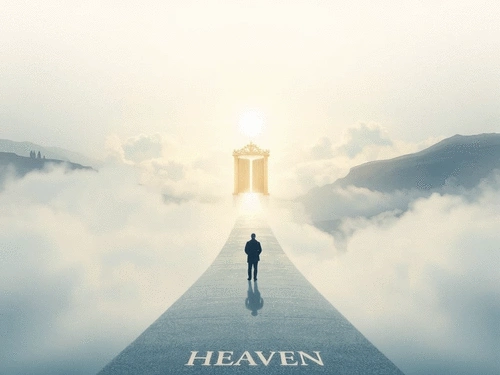
- Heaven is described as eternal union with God, embodying perfect happiness and fulfillment.
- Hell represents eternal separation from God, emphasizing the weight of our choices and the importance of embracing divine grace.
- Purgatory serves as a merciful purification process for souls needing cleansing before entering Heaven.
- The evolution of these beliefs is rooted in scriptural teachings and has been shaped by historical context and cultural narratives over time.
- Understanding the distinctions between mortal and venial sins is crucial for grasping the Church's teachings on sin and the afterlife.
- Catholic funeral rites and last rites serve to honor the deceased and prepare the living for a transition into the afterlife.
- The teachings about the afterlife encourage continuous community support, spiritual growth, and engagement in shared faith practices.
Core Tenets of Catholic Afterlife Beliefs
The Catholic Church defines three primary states regarding the afterlife, each with distinct characteristics and implications for a soul's journey after death.
Heaven: Eternal Union with God
The ultimate state of perfect happiness and fulfillment in the presence of God for those who choose to love and follow Him.
Hell: Separation from God
A state of eternal despair and regret for those who actively reject God's love and grace through their choices in life.
Purgatory: Process of Purification
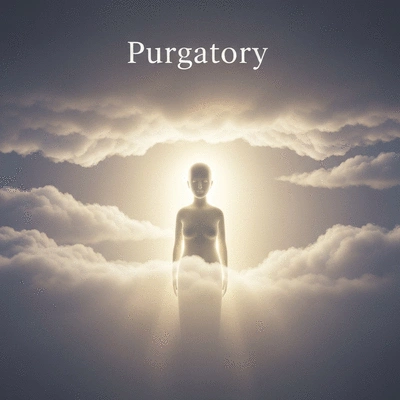
A temporary state where souls undergo purification to achieve the holiness required to enter Heaven, aided by prayers and indulgences.
Importance of Sin Distinction
Catholic teaching differentiates between mortal and venial sins, which significantly impact a soul's journey and potential for Purgatory or Hell.
Understanding Catholic Beliefs About the Afterlife
As we journey through life, questions about the afterlife often arise. What happens after we die? In the Catholic faith, our beliefs surrounding the afterlife are deeply rooted in doctrine and tradition. Here, we’ll explore the core tenets of Heaven, Hell, and Purgatory, providing insights that clarify these essential aspects of our faith.
Understanding these beliefs can connect us more profoundly to our spiritual heritage and guide us as we navigate life’s profound questions.
The Core Tenets of Heaven, Hell, and Purgatory
The Catholic Church teaches that the afterlife consists of three primary states: Heaven, Hell, and Purgatory. Each of these represents different outcomes based on our choices and beliefs in this life. Here’s a closer look:
- Heaven: The eternal union with God for those who choose to love and follow Him.
- Hell: A state of eternal separation from God for those who reject His love.
- Purgatory: A process of purification for souls who need to be cleansed of venial sins before entering Heaven.
Heaven is envisioned as the ultimate fulfillment of our desires, where we experience perfect happiness in the presence of God. In contrast, Hell serves as a sobering reminder of the consequences of turning away from divine grace. Purgatory, however, is often misunderstood; it reflects God’s mercy, allowing souls a chance for purification and reconciliation.
Heaven: The Eternal Union with God
Heaven is described as the eternal union with God, a state of perfect love and happiness. Imagine a place filled with unending joy, peace, and fulfillment. In Heaven, we are reunited with God and all those who have gone before us in faith. This is the ultimate hope for Catholics, a promise of eternal life and love.
Scripture offers glimpses of Heaven's beauty, depicting it as a dwelling place where suffering ceases. The joy of being enveloped in God’s love is what every soul yearns for.
Hell: The Consequence of Separation from God
Hell is the stark reality of what it means to be away from God. It is often described as the consequence of our choices in life. In Catholic teaching, Hell is not merely a place of punishment; it is the absence of God's presence, leaving souls in despair and regret. This emphasizes our responsibility to choose love and faith throughout our lives.
We often hear warnings about Hell, reminding us to stay vigilant in our faith. It serves as a call to embrace God’s grace and mercy while we still can.
Purgatory: The Process of Purification and the Role of Indulgences
Purgatory plays a crucial role in the journey toward Heaven. It is a state where souls undergo purification to achieve the holiness necessary to enter God's presence. In Catholic doctrine, indulgences can aid in this process, offering spiritual benefits to help alleviate the suffering of souls in Purgatory.
This understanding of Purgatory can be comforting, as it reassures us that God’s mercy is ever-present. Through prayers, acts of kindness, and specifically designed indulgences, we can assist the souls in Purgatory, reinforcing our bond and communal responsibility to one another.
The Historical Evolution of Afterlife Doctrines in Catholicism
The understanding of Heaven, Hell, and Purgatory has evolved throughout Church history. From early teachings by the Church Fathers to the formalized doctrines found in the Catechism of the Catholic Church, these beliefs have been shaped by theological reflection and cultural contexts.
It's fascinating to see how these doctrines have been influenced over time, providing clarity and depth to our understanding of the afterlife. Let’s explore this evolution further.
From Early Church Fathers to the Catechism of the Catholic Church
In the early centuries of the Church, the teachings on the afterlife were primarily based on scripture and the reflections of the Church Fathers. These early theologians laid the groundwork for our current beliefs, emphasizing the importance of moral living and the consequences of our choices.
As time progressed, the Catechism of the Catholic Church consolidated these teachings, presenting them in a structured format that is accessible to all Catholics today. This has helped clarify the nuances of our beliefs about the afterlife.
Influence of Cultural Narratives: Dante and Beyond
Cultural narratives have also played a significant role in shaping our understanding of the afterlife. Dante Alighieri’s "Divine Comedy," for instance, not only captured the imagination of countless readers but also influenced perceptions of Heaven, Hell, and Purgatory. His vivid descriptions have permeated popular culture, often leading to misinterpretations of Catholic teachings on the afterlife.
By recognizing these influences, we can better appreciate how our beliefs have been shaped by both faith and cultural expressions throughout history.
Scriptural Foundations and Teachings on the Afterlife
The foundations of our beliefs about the afterlife are deeply rooted in scripture. Understanding these biblical references helps us see the continuity of God’s message through the ages. Let’s delve into some key passages that outline these essential teachings.
Exploring Key Biblical References to Heaven and Hell
Scripture provides numerous references to both Heaven and Hell. In the Gospel of John, Jesus speaks of a place prepared for us in Heaven, offering comfort and hope. Conversely, the parable of the rich man and Lazarus serves as a stark reminder of the consequences of our choices and actions, illustrating the existence of Hell.
These passages are crucial, as they anchor our beliefs in the lived experience of faith and the teachings of Christ.
Understanding Purgatory Through Scripture: Insights from 1 Corinthians and 1 John
Purgatory, while less explicitly outlined in scripture, is supported by passages like 1 Corinthians 3:15, which speaks of being saved "but only as through fire." This imagery of purification aligns with the Church's understanding of Purgatory as a necessary step before entering Heaven.
Moreover, 1 John 1:9 reassures us of God’s forgiveness—a core aspect of the purifying process that many souls undergo.
The Last Judgment: A Biblical Perspective on Salvation and Damnation
The concept of the Last Judgment is a pivotal element of our beliefs about the afterlife. In Matthew 25, Jesus describes the separation of the sheep and the goats, symbolizing the ultimate judgment of souls. This moment is not just a future event; it is a reminder for us to live righteously, embodying the teachings of Christ in our daily lives.
As we reflect on these scriptural foundations, we’re invited to explore our own faith and its implications for our lives and the afterlife.
Addressing Common Misconceptions and Clarifying Beliefs
With many interpretations and portrayals of Catholic beliefs in popular culture, misconceptions about the afterlife are common. Let's address some of these misunderstandings and clarify what the Church truly teaches.
How Popular Culture Misrepresents Catholic Teachings
Movies, books, and media often sensationalize our beliefs, leading to distorted views of Heaven, Hell, and Purgatory. For example, depictions of Hell as merely a fiery pit overshadow the complexity of separation from God. Recognizing these misrepresentations is crucial for a true understanding of our faith.
As we engage with culture, we must remain grounded in the authentic teachings of the Church, distinguishing between cultural interpretations and theological truths.
Myths vs. Reality: What Happens After Death According to the Church
Many myths surround the Church’s teachings on the afterlife, such as the idea that every sin leads one directly to Hell. In reality, the Church distinguishes between mortal and venial sins, each having different consequences in terms of afterlife experiences. Understanding these distinctions is vital for a comprehensive view of Catholic doctrine.
By educating ourselves, we can dispel these myths and better articulate the beauty of our faith.
Clarifying Mortal and Venial Sin in the Context of Afterlife Beliefs
Mortal sins, which sever our relationship with God, can lead to Hell if unrepented. In contrast, venial sins, while serious, do not break our connection to God. Instead, they can be purged through Purgatory. This understanding emphasizes the mercy of God and the importance of ongoing repentance in our lives.
By grasping these concepts, we can approach the afterlife with the hope and assurance that God’s love and mercy prevail.
Practical Applications of Catholic Beliefs on the Afterlife
Our beliefs about the afterlife have practical implications for how we live our daily lives. Let’s explore how these teachings inform our rituals and community practices.
Funeral Rites and the Importance of Sacred Burial
Funeral rites hold deep significance in Catholicism, serving as a final farewell and a celebration of life. These rites reflect our beliefs about the afterlife, emphasizing the hope of resurrection and eternal life with God. A sacred burial is more than a tradition; it is a profound act of respect and love for the deceased.
These rituals help us process our grief while reaffirming our faith in the promise of everlasting life.
End-of-Life Preparations: The Role of Rituals and Prayers
Preparing for death is a vital aspect of living out our faith. Rituals such as Last Rites and anointing can provide comfort and grace in those final moments. Prayers for the dying also play an essential role, inviting God’s presence into their transition from this life to the next. The intersection of grief and religion is a significant area of study, as highlighted by research from Ursinus College, which explores how faith provides solace during times of loss.
Such practices not only honor the individual but also create a space for divine peace and consolation for families during challenging times.
The Process of Sainthood and Its Significance in the Afterlife Context
The process of sainthood highlights the Church's belief in the communion of saints and the possibility of intercession. Saints serve as models of holiness and remind us that we, too, can aspire to live lives that reflect Christ’s love. Understanding sainthood enriches our view of the afterlife and encourages us to seek a deeper relationship with God.
By recognizing the significance of saints, we can appreciate our connection to those who have gone before us and their role in our spiritual journey.
Understanding the Role of Last Rites and Confession in Preparing for Death
Last Rites and Confession are powerful sacraments that prepare individuals for death. These rituals offer forgiveness and spiritual strength, reassuring the soul of God’s mercy. In the face of death, these sacraments remind us of the hope we have in Christ.
By embracing these practices, we can face our mortality with faith and confidence, knowing that God walks with us even in our final moments.
Modern Perspectives: Comparing Catholic and Protestant Views
In our diverse Christian landscape, it's essential to understand both Catholic and Protestant views on the afterlife. While we share many beliefs, there are also key differences that reflect our theological traditions. Let's explore these perspectives.
Shared Beliefs and Divergences on Afterlife Concepts
Both Catholics and Protestants believe in Heaven and Hell, but differences emerge regarding Purgatory and the intercession of saints. While Catholics view Purgatory as a necessary purification process, many Protestants reject this concept, believing in immediate entrance into Heaven or Hell upon death. This divergence shapes how each tradition approaches salvation and grace.
By understanding these differences, we can engage in respectful dialogue and deepen our appreciation for various expressions of faith.
Scientific Intersections: Near-Death Experiences and Their Relevance
Recent studies on near-death experiences have sparked interest and discussion about the afterlife. Many report feelings of peace and encounters with light, aligning with Catholic beliefs about Heaven. While these experiences are subjective, they provide a fascinating intersection between faith and science, prompting us to ponder the mysteries of life and what lies beyond.
As we navigate these intriguing topics, we can embrace the dialogue that faith and reason bring to our understanding of the afterlife.
The Role of Community and the Communion of Saints
Our beliefs about the afterlife are intrinsically linked to community and our collective experience of faith. The Catholic Church emphasizes the importance of the Communion of Saints, which connects us with all believers, living and deceased. Let’s explore how this communal aspect enriches our understanding of the afterlife.
Understanding Collective Salvation Through Eucharist
The Eucharist serves as a profound symbol of our unity and shared faith. In participating in the sacrament, we acknowledge our connection to the wider Church, including those in Purgatory and Heaven. This collective experience of salvation is a cornerstone of our beliefs, reminding us that we are never alone on our spiritual journey.
By embracing this communal aspect of faith, we are encouraged to support one another, fostering a deeper understanding of our shared hope in God’s promise.
Cemetery Ministry and Personal Vigils for the Dying
Cemetery ministry allows us to honor the deceased and support their families. Personal vigils for the dying serve as a powerful expression of love and solidarity, reinforcing our belief in the afterlife and the promise of eternal life. These acts of compassion are vital for both the living and the deceased, nurturing the bonds of community and faith.
Through these ministries, we affirm our commitment to caring for one another, embodying Christ’s love in practical ways.
Spiritual Communion and Its Importance in Catholic Spirituality
Spiritual communion highlights the belief that we can connect with God and the saints beyond physical presence. This practice enriches our spiritual lives and allows us to engage with the divine in our daily lives. By fostering spiritual communion, we deepen our faith and remain united with the Church, even in moments of separation. Research from Cardiff University further explores how religious beliefs shape attitudes towards death and dying, emphasizing the psychological and spiritual benefits of communal faith practices.
As we reflect on the role of community and the Communion of Saints, we recognize that our beliefs in the afterlife are not merely individualistic; they are part of a larger narrative of faith, love, and connection.
Frequently Asked Questions About the Catholic Afterlife
What are the three main states of the afterlife in Catholicism?
The three main states are Heaven (eternal union with God), Hell (eternal separation from God), and Purgatory (a temporary state of purification before entering Heaven).
What is the Catholic understanding of Heaven?
Heaven is described as the ultimate state of perfect happiness, joy, and fulfillment, where souls are in eternal union with God and those who have lived in faith.
How does the Catholic Church define Hell?
Hell is understood as a state of eternal despair and regret, resulting from the active rejection of God's love and grace during one's earthly life. It is the absence of God's presence.
What is Purgatory, and what is its purpose?
Purgatory is a temporary state where souls undergo purification to achieve the holiness necessary to enter Heaven. It reflects God’s mercy, allowing souls to be cleansed of venial sins.
What is the difference between mortal and venial sins in the context of the afterlife?
Mortal sins, which sever one's relationship with God and can lead to Hell if unrepented. Venial sins, while serious, do not break this connection and can be purified through Purgatory before entering Heaven.
How do Catholic funeral rites relate to beliefs about the afterlife?
Catholic funeral rites emphasize the hope of resurrection and eternal life with God. They serve as a final farewell, a celebration of life, and a profound act of respect for the deceased, helping the living process grief and reaffirm faith.
Do Protestants and Catholics have the same beliefs about the afterlife?
Both Catholics and Protestants believe in Heaven and Hell. However, there are divergences, particularly regarding Purgatory and the intercession of saints, which are central to Catholic doctrine but often rejected by many Protestant traditions.
Engage with Us!
What aspect of Catholic teachings about the afterlife resonates most with you? Is it the hope of Heaven, the seriousness of Hell, or the mercy of Purgatory? Share your thoughts below:
Reflecting on Catholic Teachings: Hope Beyond Death
As we confront the reality of death, it’s essential to approach this profound topic with faith and hope. The teachings of the Catholic Church provide us with a framework that not only prepares us for the inevitable but also reassures us of the eternal life that awaits. This reflection can help alleviate the anxiety surrounding death, allowing us to embrace it as a transition rather than an end.
We often find solace in the virtues of faith. Faith reassures us that God is merciful and loving, offering us guidance through our fears. How can we cultivate this faith? It begins with cultivating a deep relationship with God through prayer and participation in the sacraments.
Preparing for Death with Faith and Hope
When we think about preparing for death, it can feel daunting. However, having a solid foundation of faith can significantly ease this process. Let’s explore a few important elements:
- The Virtues of Faith: They help us overcome death anxiety, allowing us to trust in God's plan.
- Prayers and Indulgences: These are crucial for supporting souls in Purgatory and can bring peace to our own hearts.
- Understanding Divine Mercy: This concept reminds us of God’s love and forgiveness, especially in our final moments.
By engaging in these practices, we prepare ourselves spiritually and emotionally for the transition from this life to the next. For instance, praying for the souls in Purgatory not only aids them but enriches our own spiritual journey as well.
The Virtues of Faith in Overcoming Death Anxiety
Faith acts as a powerful antidote to the fear of death. With teachings that remind us of God’s eternal love, we can face death with courage. For many, this means regularly participating in the sacraments and seeking spiritual guidance through prayer and reflection. This journey is not undertaken alone; we are part of a larger community of believers.
Prayers and Indulgences: Supporting Souls in Purgatory
Indulgences play a vital role in Catholic teaching, allowing us to assist souls in Purgatory. By offering prayers, Masses, and acts of charity, we can help shorten their time of purification. It’s a beautiful reminder of our interconnectedness within the body of Christ.
Exploring the Concept of Divine Mercy in the Face of Death
Divine Mercy is a central theme in Catholicism, especially when it comes to death. This concept encourages us to trust in God's boundless mercy, reminding us that even in our final moments, we can turn to Him for forgiveness and love. The Chaplet of Divine Mercy is a powerful prayer that many find comfort in, especially when contemplating their own mortality.
Encouraging Personal Reflection and Community Engagement
Faith is not just an individual journey; it thrives within community interactions. Personal reflections on death and afterlife beliefs can spark important conversations that help us grow together. I encourage you to engage with your community about these topics!
Emphasizing the Importance of Spiritual Conversations
Spiritual conversations can provide comfort and build understanding. Discussing our fears, hopes, and beliefs surrounding death fosters a supportive environment that encourages faith growth. Have you had conversations with friends or family about this? Sharing can often lead to healing!
Inviting Readers to Share Their Experiences and Questions
As we reflect on these teachings, I invite you to share your own experiences or questions regarding death and the afterlife. It’s through these shared stories that we can learn from one another and deepen our understanding of our faith. Feel free to connect with us at What Catholics Believe—your thoughts are invaluable to our community!
Recap of Key Points
Here is a quick recap of the important points discussed in the article:
- Heaven: The eternal union with God, representing perfect happiness and fulfillment.
- Hell: A state of eternal separation from God, emphasizing the consequences of our life choices.
- Purgatory: A process of purification for souls, reflecting God’s mercy before entering Heaven.
- Historical Context: Understanding the evolution of afterlife doctrines enriches our comprehension of Catholic beliefs.
- Scriptural Foundations: Key biblical references support our teachings about Heaven, Hell, and Purgatory.
- Community Role: The Communion of Saints emphasizes our collective journey and support for one another in faith.
- Practical Applications: Funeral rites, end-of-life preparations, and the process of sainthood reflect our beliefs in action.