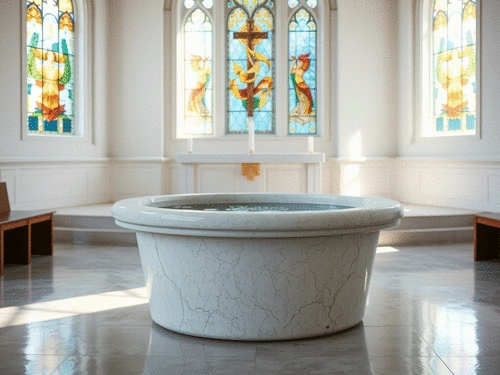
As you journey through the rich tapestry of Catholic baptism, consider how this transformative sacrament marks not just an entry point into the Church, but a profound reunion with the community of faith. Are you ready to explore the depths of grace, forgiveness, and the commitment that baptism entails?
What You Will Learn
- Baptism is a vital initiation into the Catholic community, symbolizing a commitment to live according to Christ’s teachings.
- The sacrament of baptism signifies forgiveness and rebirth, cleansing individuals from original sin and marking a fresh start.
- Grace and faith are essential components of baptism, working in harmony to facilitate a transformative spiritual journey.
- Preparation for baptism involves active family engagement, enriching the experience and fostering community support.
- Post-baptism, continued involvement in the Church community is crucial for nurturing faith and spiritual growth.
Catholic Baptism: Key Aspects and Preparations
Catholic Baptism is a transformative sacrament involving theological significance, rituals, and essential preparation steps, as outlined below.
Theological Significance of Baptism
- Forgiveness: Addresses original sin, offering a fresh start.
- Rebirth: Born again in the Spirit (John 3:5, Titus 3:5).
- Grace & Faith: Unmerited favor of God + human response.
- Transformation: Cleansed from sin, made new.
Preparation for Baptism: Key Steps
- Learn Together: Utilize trusted resources.
- Attend Classes: Parish preparation classes.
- Discuss Expectations: Role of godparents.
- Plan Ceremony: Collaborate with parish.
- Family Involvement: Sharing stories, support network, prayer.
Post-Baptism Faith Journey
- Engage Community: Attend Mass, join ministries, parish events.
- Continued Learning: Catechism, online courses, books.
- Spiritual Growth: Reflection, Bible studies, retreats.
Testimonies: Impact on Converts
- Finding Community: Warm welcome in parish.
- Personal Transformation: Spiritual awakening.
- Deepening Relationships: Strengthened bonds with family/friends.
Unpacking the Meaning of Catholic Baptism Within Core Beliefs
Baptism holds a vital place in Catholic theology as the introduction to a life filled with the Holy Spirit. It signifies not just a ritual, but a profound transformation, marking the beginning of our spiritual journey. For many, this sacrament encapsulates the essence of being welcomed into the Church community. It’s a gateway to spiritual life that connects believers to their faith and to one another.
Defining Catholic Baptism: A Gateway to Spiritual Life
Baptism, in a Catholic context, is much more than a simple ceremony. It represents an important threshold into a life guided by faith. Consider it akin to a welcoming door; through it, we step into a relationship with God and the Church. This sacrament is often described as the birth into new life, and it epitomizes the commitment to live according to Christ’s teachings. As U.S. Catholic points out, "baptism, not piety, is what makes us Catholic."
- Initiation into the community of believers
- Receiving the grace of God
- Commitment to Christian discipleship
The act of baptism embodies our acknowledgment of God’s love and the community’s role in supporting us throughout our spiritual journey. It’s a moment filled with joy, hope, and profound meaning for both the individual and the Church.
The Theological Significance of Baptism in Forgiveness and Rebirth
In Catholic teaching, baptism is fundamentally tied to the themes of forgiveness and rebirth. It addresses the reality of original sin, offering a fresh start for the baptized individual. Key scripture passages, such as John 3:5 and Titus 3:5, highlight the transformative power of this sacrament, emphasizing that through baptism, we are born again in the Spirit.
- John 3:5: “No one can enter the kingdom of God without being born of water and the Spirit.”
- Titus 3:5: “He saved us, not because of righteous things we had done, but because of His mercy.”
This spiritual rebirth signifies that we are cleansed from sin and made new. It’s a divine declaration of our belonging to God and an invitation to live in His grace. The Catholic Apostolate Center further explores the profound nature of this sacrament, emphasizing that "Baptism is not just a ritual; it is a profound entry into the life of Christ."
The Role of Grace and Faith in the Sacrament of Baptism
At the core of baptism lies the interplay between grace and faith. Grace is the unmerited favor of God, while faith is our response to that grace. Together, they create a powerful dynamic in the sacramental experience. In the Catholic tradition, baptism is not merely a ritual act but a profound encounter with God's grace.
- Grace enables the transformation of the believer's heart.
- Faith opens the door to accepting God's love.
- Both are essential for the sacramental journey.
As we engage with these elements, we realize that baptism is a cooperative act between God and the individual. It’s both a gift and a commitment—an invitation to embrace a life of faith actively.
Rituals and Practices Associated with Catholic Baptism
Understanding the rituals surrounding baptism is key to appreciating its significance in our faith journey. These practices not only enrich the experience but also connect us to the greater tradition of the Church. Each element holds deep meaning, reminding us of the sacred nature of this sacrament. For a broader perspective on the sacrament's role within Roman Catholicism, Britannica provides valuable insights into its historical and theological context.
Quick Summary
Here's a brief recap of the key points discussed so far:
- Baptism serves as a gateway to spiritual life, introducing individuals to the Catholic faith.
- The sacrament signifies forgiveness and rebirth, cleansing individuals from original sin.
- Grace and faith are essential elements intertwined in the baptismal experience.
- Family involvement plays a crucial role in the baptism preparation process, fostering a supportive community.
Frequently Asked Questions About Catholic Baptism
- What is the primary significance of Catholic Baptism?
- Catholic Baptism is a vital initiation into the Catholic community, symbolizing a commitment to live according to Christ’s teachings and serving as a gateway to spiritual life.
- How does Baptism relate to forgiveness and rebirth?
- The sacrament of baptism signifies forgiveness and rebirth, cleansing individuals from original sin and marking a fresh start. It is seen as being "born again in the Spirit."
- What roles do grace and faith play in Baptism?
- Grace (God's unmerited favor) and faith (our response to that grace) are essential components of baptism, working in harmony to facilitate a transformative spiritual journey and enabling the transformation of the believer's heart.
- What is involved in preparing for Baptism?
- Preparation for baptism typically involves learning together from trusted resources, attending parish preparation classes, discussing expectations with godparents, planning the ceremony with the parish, and active family involvement.
- Why is family involvement important in the baptism process?
- Family involvement enriches the baptism experience by sharing stories, creating a support network, engaging in prayer, and celebrating together, fostering a supportive environment for spiritual growth.
- What should happen after Baptism to maintain spiritual growth?
- Post-baptism, continued involvement in the Church community is crucial for nurturing faith and spiritual growth. This includes attending Mass, joining ministries, participating in events, and engaging in continued learning through resources like the Catechism and spiritual retreats.
Embracing the Journey: Preparing for the Sacrament of Baptism
Preparing for the sacrament of baptism is a beautiful journey, not just for the individual being baptized but also for their family and community. As a Catholic educator, I often emphasize the importance of taking this time seriously, as it sets the stage for a profound spiritual experience. Here’s a guide to help you navigate this preparation with love and intention.
Getting Ready for Baptism: A Guide for Parents and Sponsors
As parents or sponsors, your role in preparing for baptism is vital. It's an opportunity to reflect on your commitment to guide the baptized in their faith. Here are some practical steps to consider:
- Learn Together: Gather resources from trusted sources like What Catholics Believe to understand the sacrament's significance.
- Attend Preparation Classes: Many parishes offer classes that provide insights into the baptismal rite and responsibilities.
- Discuss Expectations: Talk openly about the role of godparents and what support they will provide in the child's faith journey.
- Plan the Ceremony: Collaborate with your parish to plan the details, including date, time, and special readings.
These steps will help foster a sense of community and shared purpose as you prepare for baptism. Remember, this is a journey of faith that extends beyond the ceremony itself!

Family Involvement in the Baptism Preparation Process
Family plays a crucial role in the baptism preparation process. Involving loved ones not only makes the experience richer but also strengthens community bonds. Consider how family members can contribute:
- Sharing Stories: Encourage family members to share their baptism experiences and the impact it had on their spiritual journeys.
- Creating a Support Network: Form a group of family and friends who can support the baptized throughout their faith life.
- Engaging in Prayer: Gather for prayer sessions where everyone can pray for the individual preparing for baptism.
- Celebrating Together: Organize a family gathering or celebration to honor the upcoming baptism.
By embracing family involvement, you create a nurturing environment for the newly baptized, which is essential for their growth in faith!
Sharing Experiences: Testimonies and Stories from Recent Converts
One of the most inspiring aspects of baptism is hearing testimonies from those who have recently converted. These stories illustrate the transformative impact of the sacrament. For instance, many people who went through the RCIA process express how baptism marked a significant turning point in their lives. Here are a few themes that often emerge in their experiences:
- Finding Community: Many converts speak of the warm welcome they received from their parish communities.
- Personal Transformation: Baptism is often described as a powerful moment of spiritual awakening.
- Deepening Relationships: The journey often strengthens bonds with family and friends who may share in the faith experience.
These narratives not only inspire others but also highlight how baptism connects individuals to a larger story of faith. If you’re considering baptism or are preparing someone for it, I encourage you to seek out these powerful testimonies!
Next Steps in Your Faith Journey After Baptism
Living Out Your Faith: Engaging with the Church Community
After baptism, it’s essential to continue engaging with your local church community. This involvement is crucial for nurturing your faith. Here are some ways to stay connected:
- Attend Mass Regularly: Make it a priority to participate in the Eucharist as a source of spiritual nourishment.
- Join a Ministry: Find a ministry that resonates with you, whether it's youth ministry, service opportunities, or music.
- Participate in Events: Attend parish events, such as social gatherings, retreats, or educational sessions, to build relationships.
Engaging with your community helps reinforce the commitments made during baptism and supports your spiritual growth!
Continued Learning: Resources for Deepening Your Understanding of Catholic Theology
To further explore the significance of baptism and Catholic beliefs, consider utilizing various resources. Here are some valuable materials that I recommend:
- Catechism of the Catholic Church: This comprehensive guide provides clear explanations of Church teachings and doctrines.
- Online Courses: Platforms like What Catholics Believe offer courses that delve deeper into Catholic theology.
- Books and Articles: Seek out books on Catholic faith by trusted theologians to broaden your understanding.
By engaging with these resources, you can deepen your faith and better understand the beauty of the Catholic Church!
Faith Formation and Spiritual Journey After Baptism
Your spiritual journey doesn’t end with baptism; rather, it marks the beginning of a lifelong process. Consider these steps to foster ongoing growth:
- Regular Reflection: Set aside time for personal prayer and reflection to discern how God is working in your life.
- Participate in Bible Studies: Joining a study group can provide insight and foster discussion around Scripture.
- Explore Spiritual Retreats: Attend retreats to deepen your spiritual life and connect with God on a more personal level.
Embracing these practices helps cultivate a vibrant faith life, empowering you to live out the teachings of the Catholic Church every day!
Recap of Key Points
Here is a quick recap of the important points discussed in the article:
- Baptism is a significant sacrament that marks the initiation into the Catholic faith and the community of believers.
- It symbolizes forgiveness and rebirth, cleansing individuals from original sin and welcoming them into a life of grace.
- The interplay of grace and faith is crucial in the sacrament, emphasizing both divine gift and personal commitment.
- Preparation for baptism involves parents and sponsors actively engaging in learning and community support.
- Family involvement enriches the baptism experience, fostering a supportive environment for spiritual growth.
- Post-baptism, continued engagement with the Church community is essential for nurturing faith and participation in the sacramental journey.