What if your faith could inspire you to take action for the planet? As we face unprecedented environmental challenges, the moral teachings of the Catholic Church provide a guiding light, inviting us to reflect on our responsibilities as caretakers of creation.
What You Will Learn
- The Catholic Church emphasizes that caring for the environment is a fundamental part of the faith journey, not just an option.
- Pope Francis’s encyclical, *Laudato Si’*, calls for urgent climate action and highlights the connection between environmental and social justice.
- Practical steps for individuals include reducing carbon footprints, supporting local agriculture, and advocating for renewable energy initiatives.
- Interfaith collaborations can amplify efforts to address climate change, showcasing a united front in environmental advocacy.
- Earth Day serves as a significant reminder for Catholics to engage in environmental stewardship through community activities and educational initiatives.
The Catholic Church's Approach to Environmental Stewardship
The Catholic Church's commitment to environmental care is guided by core principles, papal leadership, and active community participation. Below is a visual representation of these key areas.
Moral Imperative: Foundations of Action
- Sanctity of creation
- Disproportionate impact on marginalized
- Unity for common good
Papal Leadership: Laudato Si' & Vision
- Embracing ecological conversion
- Understanding consumerism's impact
- Fostering dialogue & collaboration
Active Participation: Community & Interfaith
- Local initiatives (clean-ups, gardens)
- Interfaith collaborations
- Earth Day advocacy
Understanding Catholic Responses to Climate Change and Environmental Stewardship
As we navigate the complexities of our world today, the Catholic Church stands firm in its moral imperative to address climate change and promote environmental stewardship. This commitment is deeply rooted in our beliefs about the sanctity of creation and the responsibility we hold toward our planet. The Church teaches that caring for the environment is not merely an option but an essential part of our faith journey. We are called to recognize our interconnectedness with one another and with the earth, embracing our role as stewards of God’s creation.
At What Catholics Believe, we recognize that these principles guide not only our understanding of environmental issues but also our daily actions. When we consider our impact on the world around us, we should reflect on how our choices can either contribute to or alleviate the challenges facing our environment.
The Catholic Church’s Moral Imperative on Climate Action
The Church’s stance on climate action is rooted in a strong ethical framework that emphasizes the moral obligation to care for our planet. As stewards of creation, we are called to engage in practices that promote sustainability and respect for the earth. This includes advocating for policies that mitigate climate change and protect vulnerable communities affected by its impacts.
- The sanctity of creation requires us to act responsibly.
- Climate change disproportionately affects the marginalized.
- Our faith calls us to unite in action for the common good.
It’s essential to remember that this moral imperative is not just about advocacy; it’s about how we live our daily lives. We can find ways to reduce our carbon footprint, support local agricultural practices, and promote renewable energy initiatives within our communities. The United States Conference of Catholic Bishops (USCCB) also emphasizes this commitment, urging Catholics to reflect on their role in caring for creation, as highlighted in their Statement on the World Day of Prayer for the Care of Creation.
Papal Leadership in Environmental Stewardship
Pope Francis has been a beacon for environmental stewardship through his encyclical, *Laudato Si’*. This groundbreaking document emphasizes the urgency of climate action and the need for a collective response to the environmental crisis. Through *Laudato Si’*, the Pope invites us to reflect on our relationship with nature and to recognize that the degradation of the environment is linked to social injustices.
In *Laudato Si’*, he urges us to foster a profound change in our lifestyles and priorities. This includes:
- Embracing ecological conversion as a way of life.
- Understanding the impact of consumerism on the environment.
- Fostering dialogue and collaboration across all sectors of society.
As a community, we can take Pope Francis's call to heart, seeking to understand how our faith intersects with our environmental responsibilities.
Pope Francis and His Vision for Sustainability
Pope Francis’s vision for sustainability is rooted in the teachings of the Gospel and the moral obligations of every believer. His advocacy for the environment is not just a church initiative but a global call to action that resonates with people of all faiths. He often speaks about the importance of listening to the cries of the poor and the cry of the earth, connecting social justice with environmental justice. His address at COP28 in Dubai further underscored this global call, highlighting the urgency of collective effort.
By engaging in sustainability, we not only honor our Creator but also pave the way for future generations to enjoy the beauty of God's creation. His leadership encourages us to live out our faith through practical steps:
- Participate in community clean-up events.
- Support initiatives that promote renewable energy.
- Educate ourselves and others about the importance of environmental stewardship.
At What Catholics Believe, we emphasize that every action, no matter how small, contributes to the larger mission of caring for our planet and each other.
The Principles of Catholic Social Teaching (CST) Related to Environmental Care
Central to our teachings is the recognition that climate change and environmental degradation do not affect everyone equally. Catholic Social Teaching (CST) offers a framework that connects our faith to social, economic, and environmental justice. Let’s delve into three key principles that guide our approach to environmental care.
Engage with Us!
How do you integrate environmental stewardship into your daily life as a Catholic? We would love to hear your experiences and ideas. Share your thoughts below:
Frequently Asked Questions About Catholic Environmental Stewardship
- Q: Why is environmental care considered a fundamental part of the Catholic faith?
- A: The Catholic Church teaches that caring for creation is a moral imperative rooted in the belief that the Earth is God's gift. We are called to be stewards, not exploiters, of the planet, recognizing our interconnectedness with all creation and our responsibility to protect it for future generations.
- Q: What is *Laudato Si’* and why is it important?
- A: *Laudato Si’* is Pope Francis's 2015 encyclical on care for our common home. It is significant because it calls for urgent climate action, links environmental degradation to social injustice, and urges a profound change in lifestyles and priorities to promote ecological conversion.
- Q: How can individual Catholics contribute to environmental stewardship?
- A: Catholics can contribute by reducing their carbon footprint, supporting sustainable agriculture, advocating for renewable energy, participating in local clean-up efforts or community gardens, and joining parish environmental committees. Every action, no matter how small, counts towards caring for our planet.
- Q: What role do interfaith collaborations play in environmental advocacy?
- A: Interfaith collaborations amplify efforts to address climate change by uniting diverse faith communities. This allows for shared resources, ideas, and inspiration, leading to more impactful initiatives such as joint educational events, community service projects, and advocacy for environmental policies.
- Q: What is the significance of Earth Day for Catholics?
- A: Earth Day serves as a vital annual reminder for Catholics to reflect on their responsibility to protect the environment and advocate for sustainable practices. It is an opportunity to organize special Masses, eco-fairs, and educational initiatives that raise awareness and mobilize action for creation care within parishes and local communities.
Encouraging Active Participation in Environmental Stewardship
As Catholics, we are called to be stewards of God’s creation, and this extends to actively participating in environmental efforts within our communities. There are many practical steps we can take to engage in stewardship and make a real difference. By getting involved, not only do we honor our commitment to care for creation, but we also embody the teachings of our faith in tangible ways.
Here are some ways individual Catholics can get involved in local initiatives:
- Join or start a parish-based environmental committee.
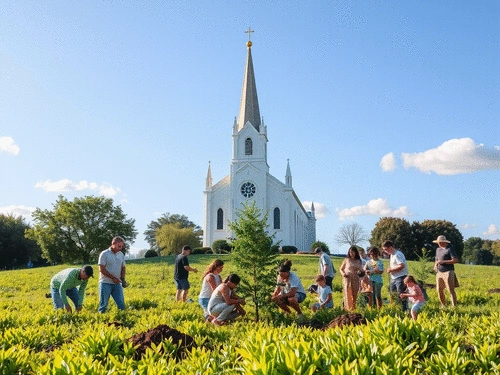
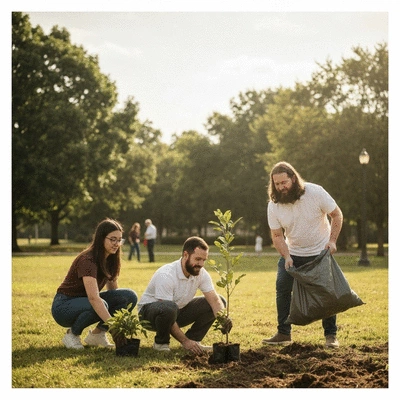
- Participate in clean-up days at local parks or natural areas.
- Volunteer for community gardening projects that promote biodiversity.
- Advocate for sustainable practices within local businesses and schools.
- Attend workshops on eco-friendly living and share learnings with others.
By taking these steps, we can create a ripple effect of awareness and action that aligns with our faith’s commitment to environmental stewardship.

Leveraging Interfaith Collaborations for Greater Impact
One of the most powerful ways we can address climate change is through collaboration with other faith communities. Working together enhances our impact and showcases a united front in the fight for our planet. Interfaith initiatives allow us to share resources, ideas, and inspiration, making our efforts even more effective.
Here are some potential activities for interfaith collaborations:
- Host joint environmental education events or seminars.
- Organize community service projects focused on sustainability.
- Participate in interfaith prayer services for creation care.
- Create joint statements or campaigns advocating for environmental policies.
By coming together, we can leverage the strengths and unique perspectives of various faith traditions to foster a deeper commitment to environmental justice.
The Significance of Earth Day in Catholic Environmental Advocacy
Earth Day serves as a vital reminder of our responsibility to protect the environment and advocate for sustainable practices. For Catholics, it’s an opportunity to reflect on our role in creation care and to take concrete actions that resonate with our faith. Celebrating Earth Day can inspire awareness and mobilize action among parishioners and local communities.
Here are ways to celebrate and promote Earth Day:
- Plan a special Mass focused on environmental stewardship.
- Organize an eco-fair with local organizations to showcase sustainable practices.
- Encourage individual parishioners to make personal pledges toward sustainability.
- Distribute resources and educational materials on environmental issues.
Ultimately, Earth Day is not just a day on the calendar; it’s a call to action that aligns with our mission at What Catholics Believe to illuminate the teachings of the Catholic Church regarding our relationship with the Earth.
Recap of Key Points
Here is a quick recap of the important points discussed in the article:
- The Catholic Church emphasizes the moral obligation to care for the environment as an essential part of faith.
- Pope Francis’s encyclical *Laudato Si’* calls for urgent climate action and a collective response to environmental crises.
- Engaging in local initiatives, such as clean-up projects and community gardens, is vital for environmental stewardship.
- Interfaith collaborations can enhance efforts to address climate change and promote sustainability.
- Celebrating Earth Day serves as a reminder of our responsibility to advocate for sustainable practices and care for creation.