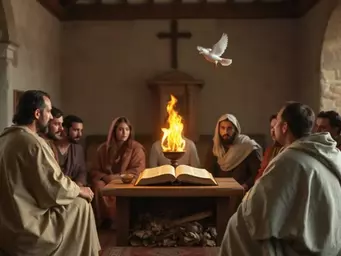

In a world full of distractions and challenges, understanding the virtues of Catholicism can provide vital guidance. How do these principles serve as a compass for young adults navigating life's complexities? Let's explore the key takeaways that can enrich both your personal and spiritual journey.
What You Will Learn
- The Theological Virtues—Faith, Hope, and Love—form the foundation of our relationship with God, influencing our actions and community interactions.
- Cardinal Virtues—Prudence, Justice, Fortitude, and Temperance—empower decision-making and ethical living in a complex society.
- Embracing faith allows us to discern truth and fosters resilience in the face of adversity.
- Practicing hope can inspire optimism not just in ourselves but also in those around us during challenging times.
- Love is a commitment that manifests in acts of kindness and charity, enriching our communities.
- Prudence helps in making wise decisions, guiding us to align our choices with our values.
- Justice calls us to advocate for fairness, reminding us of our responsibility toward others in society.
- Fortitude enables us to stand firm in our beliefs, providing strength during trials.
- Temperance teaches us to balance desires and responsibilities, promoting healthier lifestyles and deeper connections.
Catholic Virtues: Foundations for Young Adults
The Catholic virtues serve as guiding principles for young adults, categorized into Theological and Cardinal Virtues. These provide a framework for spiritual growth and responsible living.
Theological Virtues
These virtues are fundamental to our relationship with God, inspiring trust, optimism, and compassion.
- Faith: Trust in God's promises
- Hope: Expecting God's goodness
- Love: Acting with compassion
Cardinal Virtues
These virtues empower us to make wise decisions and navigate societal responsibilities effectively.
- Prudence: Making wise choices
- Justice: Upholding fairness
- Fortitude: Strength in adversity
- Temperance: Balancing desires
Embracing Virtues: Steps for Action
Actively integrate virtues into daily routines to enrich lives and positive impact.
- Set Intentions daily
- Practice Gratitude
- Engage in Prayer
- Reflect on Actions
Nurturing Spiritual Growth
Deepen your relationship with God through continuous engagement and reflection.
- Regularly Read Scripture
- Attend Mass Weekly
- Participate in Sacraments
- Reflect on Your Journey
Understanding Catholic Virtues: Foundations for Young Adults
As young adults navigating a complex world, understanding Catholic virtues can profoundly impact our lives. These virtues serve as guiding principles, helping us to develop character and make decisions aligned with our faith. In this section, we will explore the key virtues of Catholicism and how they can serve as a foundation for living a fulfilling life.
- Theological Virtues: Faith, Hope, Love
- Cardinal Virtues: Prudence, Justice, Fortitude, Temperance
These virtues not only shape our personal beliefs but also prepare us to engage with the world around us. Let's delve deeper into each of these virtues, starting with the theological virtues.
The Theological and Cardinal Virtues Explained
The theological virtues—Faith, Hope, and Love—are fundamental to our relationship with God. These virtues inspire us to trust in God’s plan, to remain optimistic, and to extend love and charity to others. They provide a framework for understanding how we interact with our faith and the community. As noted by the Vermont Catholic website, these virtues are integral to the development of Christian ethics and our moral compass. You can delve deeper into this perspective by visiting Walking with Aquinas: The Theological Virtues and the Development of Christian Ethics.
- Faith: Trusting in God's existence and promises
- Hope: Expecting God's goodness in our lives
- Love: Acting with compassion towards others
Next, we have the cardinal virtues, which include Prudence, Justice, Fortitude, and Temperance. These virtues empower us to make wise decisions and to navigate our societal responsibilities effectively.

Faith: The Cornerstone of Belief in a Secular World
In a secular world, holding onto faith can be challenging. It’s our anchor, providing clarity and direction amidst life's uncertainties. Embracing our faith helps us discern truth from falsehood, guiding our actions and decisions.
When we allow our faith to flourish, it becomes evident in our daily lives—encouraging us to share our beliefs with others and to embody the teachings of Christ. This is essential for a vibrant spiritual life!
Hope: Cultivating Optimism Amidst Challenges
Hope is vital, especially during difficult times. It’s about believing that God has a plan for us, even when we face adversity. This virtue allows us to rise above challenges, fostering resilience and courage.
By nurturing hope, we not only uplift ourselves but also inspire those around us. We become beacons of light, reminding others that there is always a reason to be optimistic!
Love: Practicing Charity in Everyday Life
Love is more than a feeling; it’s a commitment to act for the good of others. In our everyday interactions, we have countless opportunities to practice charity—whether through kindness, forgiveness, or service to those in need.
Every small act of love contributes to a greater impact in our communities. Think about how your actions can reflect Christ’s love to those around you!
Prudence: Making Wise Decisions in a Complex Culture
Prudence is essential for making wise choices. It involves not just knowing what is right but also applying that knowledge in our daily lives. In a world filled with distractions, prudence helps us remain focused on our values and beliefs. The importance of ethical decision-making, supported by virtues like prudence, is highlighted in academic discussions about navigating complex societal issues, such as those discussed in Catholic Social Teaching as an Alternative to Both Luddism and Techno-Optimism from the Church Life Journal at Notre Dame University.
By practicing prudence, we can weigh our options carefully and make decisions that align with our Catholic teachings, leading us toward a more fulfilling life.
Justice: Upholding Fairness in Community and Society
Justice calls us to respect the rights of others and to advocate for fairness in society. It’s about understanding that our actions affect the entire community, guiding us to strive for equity in our relationships.
As Catholics, we are challenged to be voices for the voiceless and to contribute to a just society that reflects God’s love and compassion.
Fortitude: Finding Strength in Adversity
Fortitude empowers us to face fears and challenges head-on. It’s about having the courage to stand firm in our beliefs, even when it’s difficult. In a world that often tries to sway our convictions, this virtue is crucial. Research on moral virtues, such as fortitude, often explores their psychological underpinnings and their role in personal well-being, as examined in the article Moral Virtues as Psychological Strengths from PMC (PubMed Central).
When we cultivate fortitude, we can endure struggles with grace, supporting others who may be facing their own challenges.
Temperance: Balancing Desires and Responsibilities
Temperance is about moderation and self-control. In a culture that often promotes excess, this virtue invites us to find balance in our desires and responsibilities. It encourages us to enjoy life’s pleasures without letting them dominate our choices.
By practicing temperance, we can lead healthier lives and foster deeper connections with others, ensuring our actions reflect our values.
Interactive Poll: Your Thoughts on Catholic Virtues
As we explore the impact of Catholic virtues in our lives, we want to hear from you! Which virtue do you find most challenging to practice in your daily life?
Embracing Catholic Virtues: A Call to Action for Young Adults
As young adults navigating a complex world, it's vital to embrace Catholic virtues as guiding principles in our lives. By actively integrating these virtues into our daily routines, we not only enrich our own lives but also positively impact those around us. Here are some simple steps to begin this journey:
- Set Intentions: Begin each day by reflecting on which virtue you want to cultivate.
- Practice Gratitude: Acknowledging what you are thankful for helps nurture a loving spirit.
- Engage in Prayer: Dedicate time to connect with God and seek guidance in your decisions.
- Reflect on Actions: At the end of the day, consider how you lived out your virtues.
Implementing these steps can pave the way for a more meaningful life grounded in faith. For instance, even small actions like holding the door open or offering a word of encouragement can embody love and charity, reflecting Christ's teachings in our everyday interactions.
FAQs About Catholic Virtues for Young Adults
- What are the two main categories of Catholic virtues?
- The two main categories are Theological Virtues (Faith, Hope, Love) and Cardinal Virtues (Prudence, Justice, Fortitude, Temperance).
- How do Theological Virtues differ from Cardinal Virtues?
- Theological Virtues are gifts from God that relate directly to Him, guiding our relationship with the divine. Cardinal Virtues are human virtues that can be acquired through education and practice, helping us navigate moral decisions and societal interactions.
- Why is faith considered the cornerstone of belief in a secular world?
- Faith provides clarity and direction amidst life's uncertainties, acting as an anchor that helps us discern truth and guide our actions in a world that can often challenge spiritual convictions.
- How can young adults practice love and charity in their daily lives?
- Young adults can practice love and charity through simple acts of kindness, forgiveness, and service to those in need. Every small act of compassion contributes to a greater positive impact in communities.
- What role does prudence play in decision-making?
- Prudence helps individuals make wise choices by carefully weighing options and aligning decisions with Catholic values and teachings. It enables us to apply moral knowledge effectively in real-life situations.
- How can connecting with a community support the practice of virtues?
- Being part of a community, such as a parish group or online faith forum, provides fellowship and support. It helps individuals hold each other accountable, share experiences, and receive encouragement in living out their virtues.
Join a Community: Finding Fellowship and Support
Being part of a community is essential for spiritual growth. We thrive when we connect with others who share our values and beliefs. Here are some ways to find and build that community:
- Participate in Local Parish Activities: Join youth groups, Bible studies, or service projects.
- Connect with Online Faith Groups: Engage with forums and social media platforms focused on Catholic teachings.
- Attend Retreats and Workshops: Explore opportunities to deepen your faith and meet like-minded individuals.
- Volunteer for Community Service: Work alongside others to make a positive impact.

At What Catholics Believe, we encourage you to seek out these connections. Forming relationships with fellow Catholics helps us hold one another accountable in living out our virtues and provides a network of support in times of need.
Spiritual Growth: Nurturing a Deeper Connection to Faith
As you actively engage in practicing Catholic virtues, don't forget the importance of spiritual growth. This growth is not just about knowledge; it’s about deepening your relationship with God. Here are a few suggestions to help you on this path:
- Regularly Read Scripture: Finding time to read the Bible can illuminate your understanding of God’s message.
- Attend Mass Weekly: Being present at Mass strengthens your faith community and personal spirituality.
- Participate in Sacraments: Engage in the sacraments regularly, particularly Reconciliation and Eucharist.
- Reflect on Your Faith Journey: Keep a journal to document your thoughts and experiences as you grow.
By nurturing this connection, you're not only enhancing your own faith but also preparing yourself to be a beacon of hope and love in the world.
Reflect and Grow: Summary of Key Points on Living Catholic Virtues
In summary, committing to live out your Catholic virtues is a journey filled with opportunities for personal and spiritual growth. Let’s recap the essential ways to reinforce this commitment:
- Practice Virtues Daily: Small acts of kindness can lead to significant transformations.
- Engage with Your Community: Find support and fellowship to help you stay grounded in your faith.
- Invest in Spiritual Growth: Continuously seek ways to deepen your relationship with God.
By embracing these practices, you can create a fulfilling life rooted in your faith. Remember that living out Catholic virtues only enriches your life but also serves as a guiding light for others in their journeys.
Encourage Continuous Learning and Engagement
Lastly, I invite you to seek knowledge continuously. Explore resources available on What Catholics Believe, engage in discussions, and remain open to learning from diverse perspectives. As we grow in our understanding and practice of Catholic teachings, we become equipped to navigate the challenges of today’s world with grace and confidence!
Recap of Key Points
Here is a quick recap of the important points discussed in the article:
- Theological Virtues: Faith, Hope, and Love serve as the foundation of our relationship with God.
- Cardinal Virtues: Prudence, Justice, Fortitude, and Temperance help us make wise decisions and navigate societal responsibilities.
- Daily Practice: Integrate virtues into daily routines through small acts of kindness and charity.
- Community Engagement: Participate actively in your local parish and online faith groups to find support and fellowship.
- Spiritual Growth: Regularly read Scripture, attend Mass, and reflect on your faith journey to deepen your connection with God.